Get Full Government Meeting Transcripts, Videos, & Alerts Forever!
Get email alerts on the Criminal Justice Reentry topic
No spam. Unsubscribe anytime.
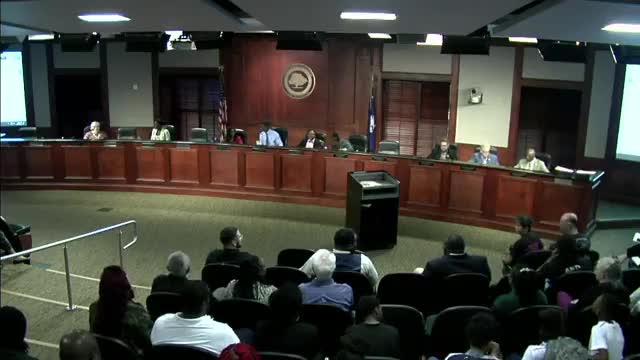
Mayor proclaims April as Second Chance Month; reentry groups recognized at council meeting
Summary
Mayor Reginald L. Burgess proclaimed April as Second Chance Month during the March 27 North Charleston City Council meeting and recognized local reentry organizations and volunteers working on prison reentry and recidivism reduction.
Mayor Reginald L. Burgess read a proclamation at the March 27 council meeting declaring April as Second Chance Month, citing the work of reentry organizations and local ministries that support people leaving incarceration.
The proclamation text presented to the council emphasized barriers faced by people with criminal records when seeking housing, employment and education after incarceration and named local and national partners including the Tri County Regional Reentry Council, NAACP, Jumpstart, Shield Ministry, and the Second Chance Resource Center Network United (as listed in the proclamation). The mayor concluded the reading with the formal declaration: "I, Reginald L. Burgess, mayor of the city of North Charleston, do hereby proclaim the month of April as Second Chance Month."
Following the proclamation, John Matthews, introduced as a representative of Prison Fellowship and leader for the Mount Moriah Missionary Baptist Church Prison Ministry, thanked the city for the proclamation and described local efforts to help people reenter communities after incarceration. Matthews noted that recidivism in the region has fallen relative to historical figures and credited local reentry councils and ministries with contributing to that change.
Also recognized at the event were Judge Congdon and representatives of the Tri County Reentry Council, Shield Ministries and the Second Chance Resource Center. Speakers asked the city and residents to support second-chance efforts by increasing awareness of barriers faced by people who have served prison terms and by promoting programs that assist with job training, housing and reintegration.
The proclamation is ceremonial: the transcript records the mayor’s reading and invited local reentry leaders to the podium but does not record additional binding action or appropriation tied to the declaration.