Get Full Government Meeting Transcripts, Videos, & Alerts Forever!
Get email alerts on the Family Economics topic
No spam. Unsubscribe anytime.
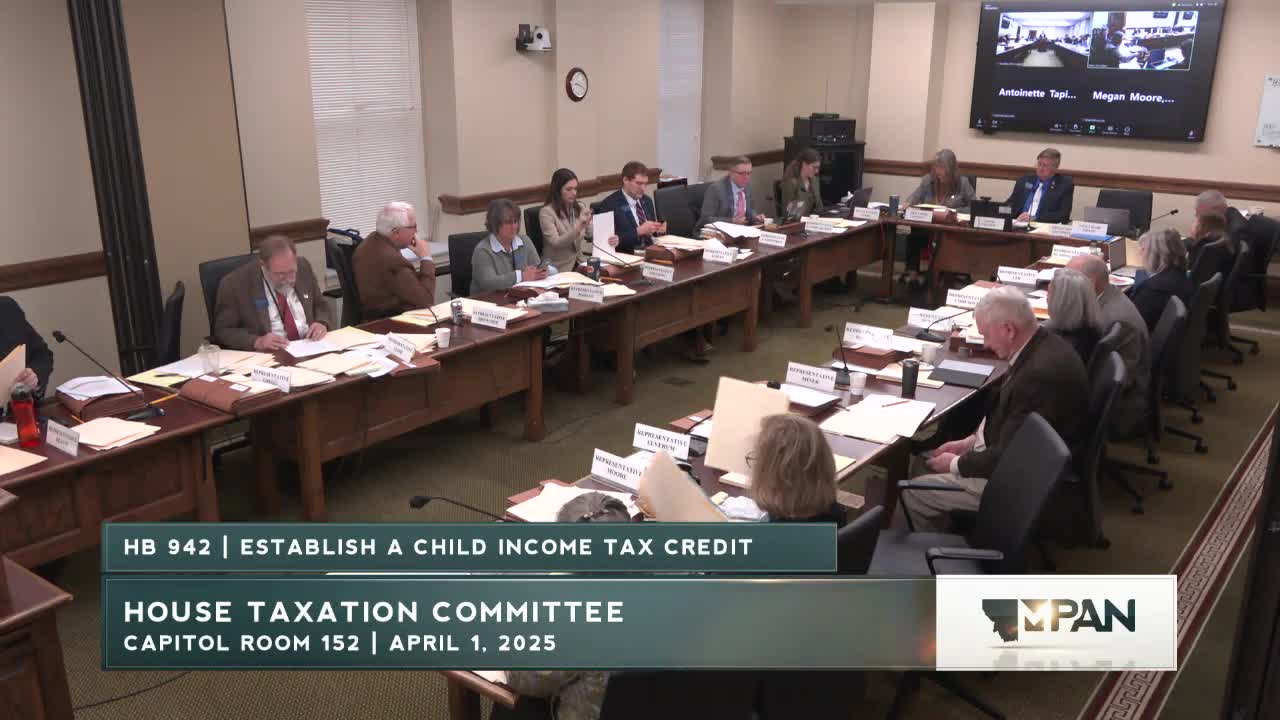
Committee advances smaller child tax credit; advocates say it would aid families facing childcare costs
Summary
The House Taxation Committee voted 14–7 to advance a bill creating a refundable child tax credit of $1,000 per child under age 5 (phasing down by income). Supporters described steep childcare costs and urged relief for low- and moderate-income families.
The House Taxation Committee on Monday approved House Bill 942 to create a $1,000 child tax credit for qualifying children ages 5 and under, with the credit phased out for higher earners.
Representative Pete Elverum, the bill sponsor, said the smaller credit amount is designed to be fiscally attainable while targeting families most in need. “When I started this process... my intent was to try to meet in the middle,” Elverum said.
Nut graf: The bill sets a $1,000-per-child credit for children under age five, with eligibility phased out for taxpayers above specified income thresholds. Advocates testified this will help households facing high childcare costs; opponents did not offer testimony against it during the hearing. The committee approved the bill 14–7.
Who testified: Caitlin Jensen of 0 to 5 Montana testified for the bill and stressed that childcare costs can top $19,000 per year for children under five and that an income-targeted credit can reduce hardship. “This bill proposes a $1,000 tax credit for families with children 5 and under during a critical period of child development,” she said.
What’s next: HB 942 moves to the House floor. Implementation questions — including vendor capacity for issuing refundable credits — will be part of the Department of Revenue and tax-administration discussions if the bill advances.
Ending: Supporters said the proposal represents a targeted step to reduce household stress and support family economic security; fiscal figures will depend on revenue-estimating estimates.