Get Full Government Meeting Transcripts, Videos, & Alerts Forever!
Get email alerts on the Code Enforcement Weeds Decay topic
No spam. Unsubscribe anytime.
Kalispell council adopts community-decay ordinance; debate focuses on gardens, weeds and enforcement timelines
Summary
Ordinance 19-36 amending community decay and weeds rules was adopted after extensive debate over exceptions for gardens, pollinator habitat and the city’s role in enforcing private property maintenance. Council approved the ordinance 5-3.
The Kalispell City Council on April 21 adopted Ordinance 19-36, which revises the city’s community decay provisions and brings tall grass and weeds (over eight inches) under the community-decay enforcement framework.
City staff described the measure as a cleanup to streamline abatement: a letter followed by a municipal citation if a property owner fails to abate. "This would be just under general community decay at any point in time, anything over 8 inches would then fall as a violation," City Manager Doug Russell said.
Councilors debated two closely related concerns: whether the ordinance would be used to police personal landscaping preferences and how to protect pollinator gardens or intentionally created habitat. Councillor Hunter argued the ordinance could "weaponize neighbor disputes" and proposed a broader exception to protect "maintained and cultivated gardens, nature scaping, or other intentionally created habitat features." That amendment was discussed at length and failed in a roll-call vote.
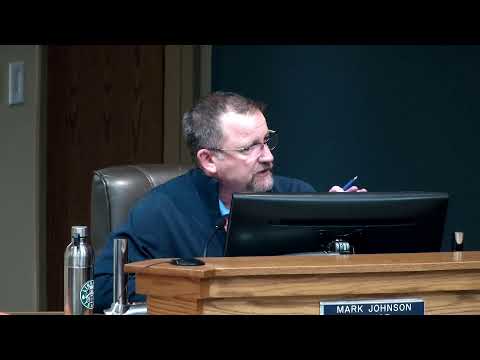
Mayor Mark Johnson and other supporters said the change clarifies the city’s ability to address fire hazards, noxious weeds and long-standing nuisance conditions that affect neighbors’ enjoyment and property values. Staff noted the draft shortens the notice period for compliance to 10 days in some sections (where current practice used repeated 30-day letters), which several councilors said would speed abatement but raised concerns about administrative workload.
After debate and multiple amendment attempts, the council adopted Ordinance 19-36 by roll call, with Councillors Fisher, Carlson, Gabrielle, Graham and Mayor Johnson voting yes, and Councillors Hunter, Dowd and Dahlmann voting no. The ordinance authorizes the city attorney to codify the changes and directs implementation through code-enforcement procedures.