Get Full Government Meeting Transcripts, Videos, & Alerts Forever!
Get email alerts on the Housing Study topic
No spam. Unsubscribe anytime.
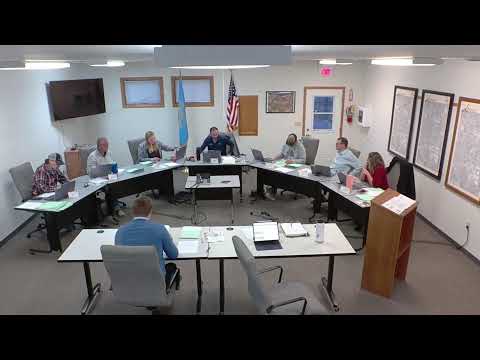
Council debates updated housing study; mayor tables decision after questions about scope and cost
Summary
City staff proposed a $10,000 budget with an option to hire Porchlight (quoted at $12,000) for a customized housing needs study; council asked for examples, grant-use cases and steering-committee details and voted to table the item to the next meeting.
City staff told the Lennox City Council the city budgeted $10,000 for an update to a housing needs study and outlined two routes: a grant-funded approach through the South Dakota Housing Authority or a customized, paid study by a private consultant.
Bert from Porchlight (identified in the meeting as the consultant) described Porchlight’s methodology — data analysis plus 10 stakeholder interviews, a 5–7 person steering committee and a 10-week production timeline — and said the firm would conduct in-person interviews and summarize findings anonymously for the report.
Why it matters: The council said the last local study was completed in 2019 and members want current market detail to guide development, grant applications and the city’s development corporation. Council members asked how the study would support grant writing, whether the data could be pulled from public sources and how frequently the study should be updated.
Discussion and vote: Council members pressed Porchlight on whether the work could be done from census data alone or required local interviews. Porchlight described a combination of American Community Survey data, local permit and building records and targeted stakeholder interviews. The council did not approve a consultant contract at this meeting; instead, a motion to table the item passed without a recorded roll-call; the matter will return to a future meeting.
Clarifying details: Porchlight proposed a 10-week schedule, 10 stakeholder interviews (which may be conducted either one-on-one or as small group sessions), a 5–7 person steering committee and a report that ranges from a one-page summary to a detailed appendix for developers and grant writers. The consultant noted the study is typically updated every 3 years to remain useful for economic development and grant work.
Ending: Council members asked staff to provide additional information about prior uses of the 2019 study, demonstration grant applications that relied on such reports and whether local organizations (for example the development corporation) should be invited to serve on the steering committee. The council tabled the item to the next meeting.