Get Full Government Meeting Transcripts, Videos, & Alerts Forever!
Get email alerts on the Downtown Revitalization topic
No spam. Unsubscribe anytime.
Lennox commissioners, business owners and residents weigh strategies to revive Main Street
Summary
A lengthy Planning Commission discussion on downtown revitalization covered vacant storefronts, owner reluctance to sell, incentives and grassroots events as stakeholders outlined options to increase foot traffic and attract businesses.
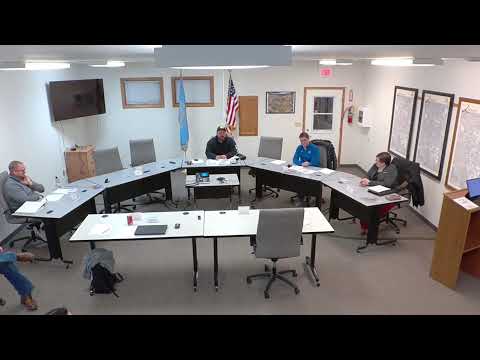
Lennox Planning Commission members, local business owners and residents met for more than two hours to discuss options for reactivating the town’s Main Street commercial corridor, focusing on vacant storefronts, incentives for reuse and low-cost events to increase foot traffic.
The commissioners framed the conversation as an informal brainstorming session focused on compatible land use, community health and orderly development. Staff said the initiative grew out of a city council request for the Planning Commission to review vacant storefronts and land-use compatibility on the central commercial blocks.
Participants said the problems include multiple buildings that appear empty or are used for storage, owners who are unwilling to sell or lease at realistic prices, and a small local customer base. Several speakers and small-business operators identified a need for outside visitation — drive-through patronage or regional shoppers — to make many downtown storefronts economically viable. Members of the commercial club and the Lennox Area Development Corporation (LADC) described existing tools such as a façade grant program (available to downtown businesses for up to 50 percent of an improvement or $5,000, according to participants) and regular beautification efforts, including planters and summer flowers.
Commissioners and business owners discussed practical, low-cost tactics to boost visibility and activity, including events (a car show or “first Thursday” activities), pop-up markets, coordinated marketing for existing businesses, and encouraging multi-use concepts (for example, combining a coffee shop with boutique retail or home goods). Several participants urged a focus on “foot traffic generators” such as a coffee/ice-cream shop that could double as an occasional retail outlet, and on leveraging schools and the gym for weekday customers.
Owners and prospective business operators also stressed financing and price barriers: speakers said some downtown properties are listed at prices they consider prohibitive — a dynamic that prevents prospective operators from testing concepts in the central business district. Participants described local examples of short-lived businesses and of enterprises that have become sustainable through reinvestment or flexible leases.
City staff said several implementation options will require follow-up work: compiling an inventory of actual uses (storage vs. active business), contacting property owners directly to learn plans for their buildings, and exploring both incentive programs and voluntary neighborhood-level accountability (peer pressure) rather than heavy-handed regulatory penalties. Staff also noted capital-improvement items currently on the city’s CIP, including a block of sanitary sewer replacement that had been scheduled for future years, and that street-lighting conversions to LED remain part of planned work.
Commissioners and community members agreed to continue the conversation at upcoming meetings and to produce a short list of follow-up items for staff and volunteer groups: inventory downtown properties and current uses; confirm active incentive programs and eligibility; identify priority façade or building-rehab targets; and pilot one or two events to increase downtown visitation.
The discussion was informational only; no formal regulatory changes or binding decisions were made at the meeting.
Ending
Commissioners said they will summarize meeting input and bring recommendations back to the Planning Commission for potential next steps, including targeted outreach to property owners and coordination with the LADC, the commercial club and city staff.