Get Full Government Meeting Transcripts, Videos, & Alerts Forever!
Get email alerts on the Cpa Revenue Allocation topic
No spam. Unsubscribe anytime.
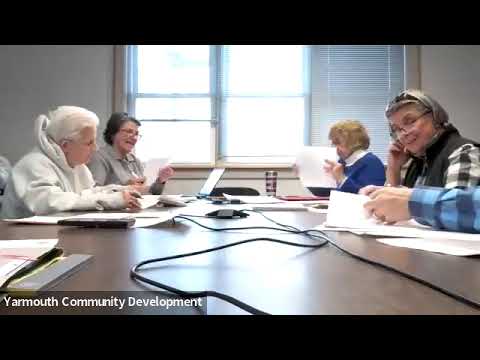
Yarmouth CPC reviews CPA allocation approach and town‑meeting presentation format
Summary
Committee members discussed a shift in how estimated CPA revenues for FY26 would be consumed across categories, and considered logistics for who will present CPC articles at town meeting.
Members discussed a revised approach proposed by the town’s finance director to allocate estimated FY26 CPA revenues directly to projects rather than first depositing revenues in reserves and then appropriating them from reserves.
Under the approach described to the committee, staff sought to apply as much of the estimated FY26 revenues as possible directly to priority projects and then fill remaining funding gaps with transfers from undesignated reserves. Committee members said this deviates from some prior practice and asked questions about maintaining the statutory minimum set-asides (the CPA requires at least 10 percent for community housing, historic preservation and open space) while using more than the minimum in some categories.
Why it matters: The method of allocating estimated revenues affects the amounts shown in the Select Board memo and the warrant book and determines how much the committee will draw from undesignated reserves for FY26 projects.
Key points: Committee members asked for clarity on the $3.70 million figure shown in the packet for a housing trust allocation and how that number relates to the $2.15 million minimum for open space. Staff explained that the finance director had attempted to consume available estimated revenues against projects first and then use undesignated reserves to fill the remainder so that projects would be fully funded in the warrant book.
Town meeting presentation: Committee members also discussed the format for presenting CPC articles at town meeting on April 29. The town administrator’s office will run the town‑meeting presentations; committee members said they want committee members to read the article explanations and to decide who will stand at town meeting to present each category (housing, recreation, historic, open space). Staff said they will notify the town administrator of the committee’s preferences in advance so the moderator can assign articles and presenters.
Next steps: Staff will request confirmation from the finance director on the estimated revenue figures and will update the memo to the Select Board to reflect the committee’s decisions and any corrected numbers.