Get Full Government Meeting Transcripts, Videos, & Alerts Forever!
Get email alerts on the Zoning Reform topic
No spam. Unsubscribe anytime.
Council tightens rules for gas stations, mechanics and car washes in zoning rewrite
Summary
Pontiac adopted a zoning text amendment that separates fuel stations, repair shops and car washes into distinct categories and adds buffers, hours and operational rules intended to limit nuisance impacts on nearby residences.
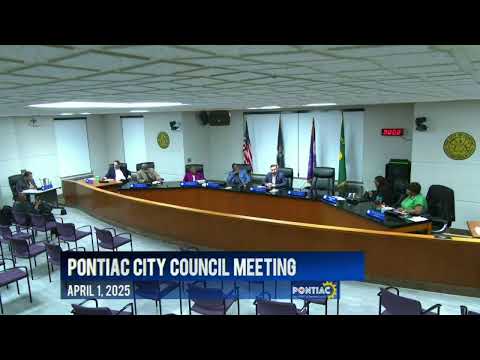
The Pontiac City Council on April 1 adopted amendments to the city’s zoning code that split the former single category “automotive services” into three distinct uses—automobile filling stations (fuel/convenience), automobile service stations (mechanics/tire shops) and automobile wash establishments—and added new standards for each.
Key changes include larger buffer requirements and masonry walls in some cases, a 30‑foot setback for fuel pumps, truck‑turning analyses for new filling stations, limits on retail displays, and an EV‑charging requirement for larger filling stations. For service stations (mechanics/tire shops) the ordinance removes them from the least intensive commercial zone (C1), restricts locations to reduce concentration by limiting the number per square mile in certain commercial districts and adds operational rules such as hours of operation and limits on outdoor overnight vehicle storage. Car-wash rules require vacuuming activity to be located away from residences and require on‑site vehicle stacking lanes and posted hours.
Supporters said the amendments respond to resident complaints about noise, clutter and blight related to some automotive businesses on major corridors. Planning staff said the revisions align Pontiac with regional peers and give the city more tools to prevent new operations from creating negative off‑site effects. The Planning Commission had recommended approval after a public hearing.
Council debate was limited but included concerns from one member that the ordinance leaves some discretion to planning staff and does not fully codify every street‑type restriction that some residents requested. The ordinance passed the council by recorded vote: the meeting record shows four ayes and three nays.
The amendments take effect following publication and will apply to new or expanded automotive uses; existing lawful uses are typically allowed to continue but must comply with code if they seek expansion or a change of use.