Get Full Government Meeting Transcripts, Videos, & Alerts Forever!
Get email alerts on the Literacy Curriculum topic
No spam. Unsubscribe anytime.
Board hears presentation on CKLA literacy sequence for K–4; teachers say curriculum builds background knowledge
Summary
An instructional coach walked the board through the district’s use of CKLA literacy materials from kindergarten through fourth grade, explaining the two-strand approach and how units build background knowledge year to year.
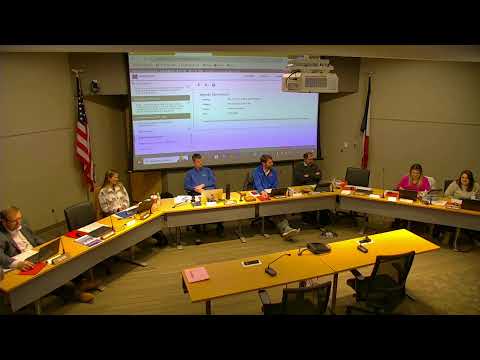
Marshalltown Community School District instructional staff presented an overview of the district’s CKLA (Core Knowledge Language Arts) literacy sequence for kindergarten through fourth grade during the board’s January meeting.
Jennifer Nelson, introduced as an instructional coach at Hanson Elementary, explained that CKLA uses two strands in early grades: a skills strand (phonics, decoding) and a knowledge strand (teacher read-alouds that build background knowledge and vocabulary). Nelson referenced Scarborough’s rope to describe how language comprehension and decoding interact in skilled reading.
Nelson showed how units intentionally spiral across grades. She used an example that began with kindergarten units on colonial towns and townspeople, moved to early world civilizations in first grade and into ancient civilizations in third and fourth grades. Nelson said the read-aloud texts are written above grade level to expose students to advanced vocabulary while teachers scaffold comprehension.
Nelson and board members noted initial teacher pushback when the curriculum was introduced years earlier, but administrators said that professional learning about the science of reading and ongoing coaching helped teachers implement it successfully. Board members who visited classrooms said students were using history vocabulary while practicing literacy skills.
Nelson also described how the separate strands in K–2 become integrated by third and fourth grade, and how building background knowledge in early grades supports later comprehension. Board members asked about classroom examples and praised the cross-curricular approach.
No formal action was taken on the presentation; the district said implementation and coaching will continue.