Get Full Government Meeting Transcripts, Videos, & Alerts Forever!
Get email alerts on the Governance Ethics topic
No spam. Unsubscribe anytime.
Board receives refresher on North Dakota open-meetings and records rules
Summary
As part of board education, Jamestown Public Schools’ superintendent reviewed state open-meetings and open-records law, committee and quorum rules, serial-meeting risks, and the limited lawful uses of executive session.
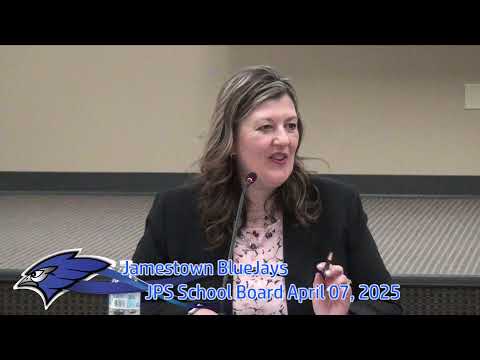
The Jamestown Public School Board received a routine board-education presentation on open meetings and public records at the April 7 meeting. The superintendent reviewed North Dakota’s open-meetings provisions and offered practical guidance for the board.
Key points included that public entities and governing bodies are subject to open-meeting laws (Century Code 44-04-17.1), that a quorum discussing public business constitutes a meeting, and that committees designated by the board are subject to open-meeting requirements. The superintendent cautioned against ‘‘serial meetings’’ conducted by email, small telephone exchanges or chained conversations that effectively replace public deliberation, and urged members to avoid reply-all or straw polls on agenda business.
He also described the differences between regular and special meetings (special meetings may only cover noticed items) and emphasized that agendas should be specific enough for the public to understand what the board will act upon. On executive session the superintendent explained that in North Dakota executive sessions are limited—to consult with attorneys about pending or potential litigation, to discuss confidential information, or to meet about negotiation strategy when public discussion would have an adverse effect on bargaining—and that recordings of executive sessions must be kept for six months for potential review by the attorney general.
The presentation urged caution and transparency, and the superintendent advised posting a notice and agenda anytime members are uncertain whether a gathering may constitute a meeting.