Districtwide playground plan emphasizes inclusive equipment, shade and rubber surfacing
Loading...
Summary
A vendor outlined a districtwide playground replacement plan focusing on inclusive equipment, pour‑in‑place rubber surfacing, shade structures and warranties; the company proposed a phased summer installation schedule and options for repurposing replaced equipment.
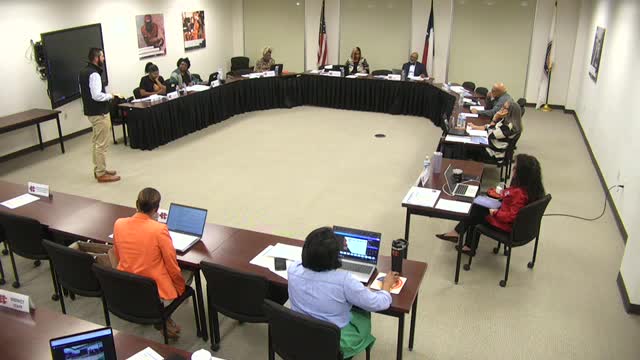
Park and Play representatives presented a districtwide playground replacement package to the board on March 3, proposing coordinated equipment, surfacing and shade installations at multiple elementary campuses and describing warranty, maintenance and installation plans intended to finish over the summer.
Sean Moran described a standard package that includes a 2‑to‑12 play structure and a 5‑to‑12 structure at many campuses, plus a shared motion play area with swings and an inclusive ground‑level spinner. Moran said the larger 2‑to‑12 unit is designed to accommodate about 50 children at once; the 5‑to‑12 unit can accommodate about 62. The company proposes pour‑in‑place rubber surfacing (a sealed rubber surface rather than wood chips), 40‑by‑30 and 40‑by‑40 shade structures over play equipment and inclusive swing seats. "We're expecting 30 years out of our playground equipment," Moran said, and he outlined the recommended maintenance schedule for surfacing.
Moran walked trustees through campus‑by‑campus layouts (Waterford Oaks, Lakeridge, High Point, Highlands, Collegian Prep and others), noting placement adjustments to avoid removing trees and to align ADA pathways. He described a specialized‑crew construction strategy to speed installation: different crews handle demo/concrete, playground assembly, shade structures and surfacing so multiple sites can be staged and completed over the summer.
On surfacing and warranties, the presenter recommended a five‑year seal for the pour‑in‑place rubber surface to extend performance; he said the original rubber surface life is expected at about 15 years, with top‑coat options after that. He summarized product warranties: structural steel components often carry lifetime warranties; rotationally molded plastics typically have a 15‑year warranty; vinyl‑coated components have five years; shade framework and fabric warranties vary (frame ~15–25 years, fabric ~10–13 years) depending on product.
Board members asked whether existing equipment can be donated; Moran said legal and liability issues typically require scrapping or recycling but described a program his firm has used to refurbish equipment for reuse outside the U.S. The trustee discussion also covered fencing, ADA access and whether school playground gates are locked during school hours and unlocked for community use after school; the vendor and district staff said most campuses will have fences with lockable gates that can be opened for community access outside school hours.
Next steps: the vendor will finalize campus‑specific layouts and return renderings in district colors; the district will confirm which campuses, packages and budgets to include in the summer construction schedule.