Get Full Government Meeting Transcripts, Videos, & Alerts Forever!
Get email alerts on the Energy And Environment topic
No spam. Unsubscribe anytime.
Sabine Parish Police Jury adopts resolution opposing carbon dioxide sequestration sites
Summary
After extensive public comment and presentations by industry and residents, the Sabine Parish Police Jury voted to adopt a resolution opposing carbon dioxide sequestration sites in the parish and to send the resolution to state officials and the governor.
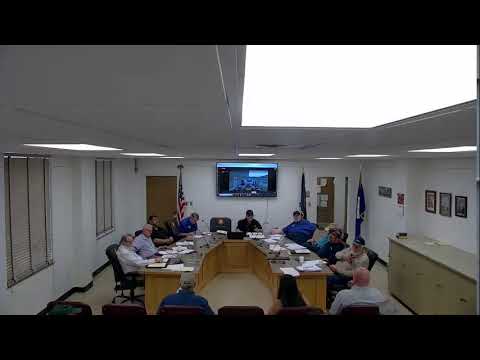
The Sabine Parish Police Jury on March 19 adopted a resolution opposing the placement of carbon dioxide sequestration facilities in Sabine Parish and directed staff to distribute the resolution to the governor and state legislators.
The resolution followed a lengthy public-comment period and a presentation by a representative of DT Midstream. A member of the public who identified himself as Mike urged jurors to oppose carbon sequestration, saying the technology posed health and property risks and that “if you do absolutely nothing… that’s a vote yes for them.” DT Midstream representative Steve Rawlings urged the jury to delay action and allow industry and state regulators to provide additional information and public outreach before the body takes a formal position. “I’m here to respectfully counter this gentleman’s claims about carbon sequestration,” Rawlings said, and asked the jury to defer a decision until informational sessions and pending state legislation are clearer.
Jurors described a mix of technical and community concerns during the discussion. Supporters of a prompt resolution said the parish needed to register its position before the Louisiana Legislature convened to ensure local views were heard; others said more public education and technical briefings were needed before taking a formal stance. The jury ultimately voted to adopt the draft resolution as read by parish staff, which states the jury has determined that “sufficient research has not been conducted on carbon sequestration to relieve constituents and their concerns regarding public safety” and therefore stands in opposition to carbon sequestration sites in the parish.
The resolution text was read into the record by parish staff. The jury also approved language directing staff to transmit the resolution to the governor, state representatives and senators, and other state officials so legislators are aware of the parish’s position.
DT Midstream representatives told the jury their project near the parish would be limited in size and tied to capturing emissions from a local processing plant. Rawlings described the company’s characterization well and engineering work and said the company planned public information sessions. He also described differences between permit types and said Louisiana has assumed permitting authority for the EPA’s Class VI sequestration wells. Rawlings said the company expects to initially inject about 400,000 tons per year and seek permits up to 1.2 million tons per year; he asked the jury to allow time for outreach and for the legislative session to conclude before taking action.
Members of the public and several jurors raised questions about long-term monitoring, the possibility of leaks and the interaction of sequestration with existing mineral rights. Several jurors said they had received many constituent contacts opposing the projects. Jurors also emphasized they represent residents across districts and that local sentiment should be made clear to state lawmakers.
The jury’s motion to adopt the resolution passed in open session. The resolution language as read will be posted with the parish records and distributed to state officials and the governor’s office as requested by the jury.
The action does not itself change any land use, permitting or regulatory authority; those matters remain under state and federal permitting processes.