Get Full Government Meeting Transcripts, Videos, & Alerts Forever!
Warren County committee approves $450,000 2025 spending plan as treasurer reports short‑term‑rental revenue rise and new state sales‑tax rules
Summary
The Warren County Occupancy Tax Coordination Committee on March 24 approved a $450,000 spending plan for 2025 that will be distributed to towns and the city of Glens Falls, and heard a treasurer’s report showing a modest overall increase in occupancy tax collections and new state sales‑tax reporting requirements for short‑term rentals.
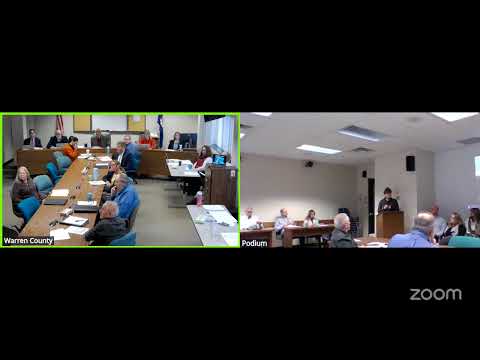
The Warren County Occupancy Tax Coordination Committee on March 24 approved a $450,000 spending plan for 2025 that will be distributed to the towns and the city of Glens Falls, and heard a treasurer’s report showing a modest overall increase in occupancy tax collections and new New York State sales‑tax reporting requirements for short‑term rentals.
Committee members approved the spending plan, which the committee staff said is already appropriated in the county budget and will be paid in August 2025 to participating municipalities. The allocation listed in the approved plan is $150,000 for Lake George (town and village combined), $60,000 for Bolton, $60,000 for Queensbury, and $180,000 split among the remaining towns and the city of Glens Falls (about $20,000 each).
Why it matters: Committee members debated whether the county should require a business justification or return‑on‑investment analysis before routing windfall occupancy tax receipts to towns. That debate matters because the county’s short‑term‑rental (STR) receipts have grown substantially and members said they want to ensure the money is producing measurable tourism or economic returns.
Supervisor Ann Wilde, speaking during the public portion of the meeting, said the county has seen “a windfall in our occupancy tax receivables primarily because of short term rentals,” and requested “some type of business justification in terms of why this $450,000 needs to be distributed to the towns instead of staying at the county and exactly what they were used for and what the returns are.”
Supervisor John Stroud countered that local governments are “intimately knowledgeable” about their own needs and pointed to cultural institutions — the Hyde, the Chapman, the World Children’s Museum and others —…
Already have an account? Log in
Subscribe to keep reading
Unlock the rest of this article — and every article on Citizen Portal.
- Unlimited articles
- AI-powered breakdowns of topics, speakers, decisions, and budgets
- Instant alerts when your location has a new meeting
- Follow topics and more locations
- 1,000 AI Insights / month, plus AI Chat