Get Full Government Meeting Transcripts, Videos, & Alerts Forever!
Get email alerts on the Youth Programs topic
No spam. Unsubscribe anytime.
Youth Bureau reports rising absenteeism, summarizes prevention programs and youth employment efforts
Summary
County Youth Bureau presented its 2024 report to the committee, reporting elevated absenteeism across K–12 (noting particularly high elementary absentee rates), an intervention/recidivism approach for PINS/pre‑PINS youth, youth employment and lifeguard training programs and Safe Harbor outreach for exploitation prevention.
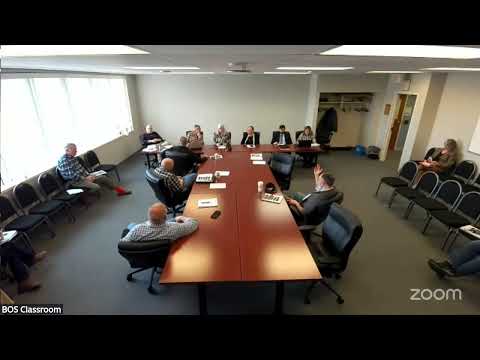
Washington County’s Youth Bureau presented an annual report and program review to the Health & Human Services Committee on March 13, outlining 2024 service levels, concerns about school absenteeism and the bureau’s intervention and youth‑employment programs.
Why it matters: The county reported high absenteeism beginning in elementary grades and flagged the downstream risk that higher rates could translate into more youth needing GED services, workforce support or juvenile services in later years. The Youth Bureau also described programmatic interventions intended to reduce juvenile justice referrals and support youth employment.
Key points from the Youth Bureau presentation
- Absenteeism: The bureau said K–12 enrollment in the county is about 7,589 and that disconnected youth (age 16–19 not in school or employed) are elevated compared to state averages. Several supervisors and staff said absenteeism is present even in elementary grades; Whitehall was cited as having had one of the highest rates but with improvements due to school outreach and incentives.
- Intervention programs: The bureau described the pre‑PINS/PINS intervention model (short‑term, 60‑day programs with incentives and community‑restoration requirements) that aims to reduce escalation into juvenile petitions; in 2024 the bureau reported dozens of referrals, a mix of open and closed cases and a small number that advanced to formal petitions.
- Youth employment and Job Corps connections: The Youth Bureau reported last year served a small cohort in youth employment (12 youth in the youth employment program, logging about 1,300 hours) and supported placements such as lifeguard and park crew roles. The bureau highlighted partnerships for training lifeguards and recreational staff.
- Safe Harbor and exploitation prevention: The bureau receives referrals and provided 10 Safe Harbor cases in 2024. Staff noted online luring and social‑media contact as the leading risk vectors for exploitation referrals.
Next steps
The bureau urged continued collaboration with schools, law enforcement and community partners to sustain attendance work, expand job opportunities and maintain prevention programs. Committee members requested more detailed regional comparisons and a three‑year trend analysis (to be provided in the bureau’s annual report).