Get Full Government Meeting Transcripts, Videos, & Alerts Forever!
Get email alerts on the Commission Staffing And Role topic
No spam. Unsubscribe anytime.
Riverfront commissioners press city for clarity on staffing, role and funding
Summary
Commissioners debated the Riverfront Improvement Commission’s purpose, staffing model and funding after recent staff departures, urging clearer city direction on whether the commission should retain active programming and planning responsibilities.
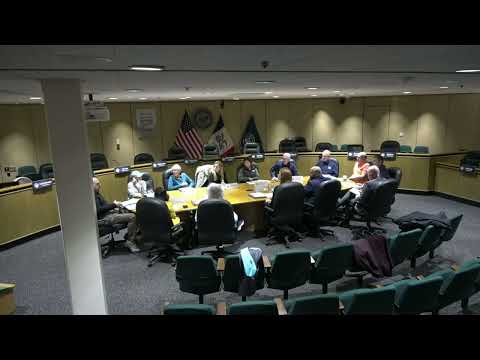
Members of the Riverfront Improvement Commission engaged in an extended discussion about the commission’s staffing, scope and funding after the departure of recent staff liaisons and program personnel.
Doug Maxiner, Davenport city administrator, joined the meeting and told commissioners the administration will review the commission’s needs and options and that full-time dedicated staffing is unlikely given constrained city resources. He said administration can assign part-time or shared staff from existing departments but asked the commission for clarity on priorities so staff assignments align with the commission’s goals.
Why it matters: Commissioners said the commission historically managed riverfront revenues and projects and had dedicated staff. Over time, rents and revenue sources have diminished, staff positions changed, and the commission’s ability to fund projects has weakened. Commissioners and staff disagreed about whether the commission should focus on lease management, event programming, planning or fundraising, and whether the city should restore a dedicated liaison or a two-person model the commission found effective in the past.
Key points from the discussion
- Staffing history and models: Commissioners described three past staffing models—(a) a dedicated, full-time staff liaison assigned to the commission; (b) a two-person model (one administration liaison plus a programming/engagement person); and (c) a dispersed model with duties assigned across departments. Several commissioners said they favored the two-person model (one person with administrative reach and one with planning/programming skills).
- Resource limits: Doug Maxiner said city resources are constrained and that administration is unlikely to restore a single full-time employee dedicated solely to the commission. He recommended a practical, strategic approach using existing staff assignments or part-time allocations.
- Funding and revenue trend: Commissioners and staff noted the commission’s operating fund has shrunk compared with past decades when rents from riverfront businesses generated more revenue. That shrinkage constrains the commission’s ability to hire or fund projects and increases reliance on city budget allocations and council support.
- Commission role and authority: Commissioners debated whether the commission should remain an active, quasi-independent body that drives riverfront activation and planning or operate more as an advisory entity relying on city departments to deliver projects. Some commissioners said the public previously supported retaining the Riverfront Improvement Commission; others said the city must decide whether it will fund the commission’s continued operation.
- Next steps and possible actions: Commissioners suggested internal work sessions to define priorities and a subsequent joint session with city council. Staff asked commissioners to identify the professional strengths they would prioritize in a staff hire (planner, fundraiser, marketer/engagement specialist) so administration can match staff assignments to the commission’s goals.
Ending
Commissioners asked administration to return with options that reflect different staffing models and budget realities. The commission concluded the discussion by requesting more concrete proposals from city administration on how staff time and funding could be provided or reallocated to support the commission’s highest-priority functions.