Get Full Government Meeting Transcripts, Videos, & Alerts Forever!
Get email alerts on the Board Monitoring topic
No spam. Unsubscribe anytime.
Lake Washington board plans work plan to add regular ‘progress’ monitoring, keep formal approvals at meetings
Summary
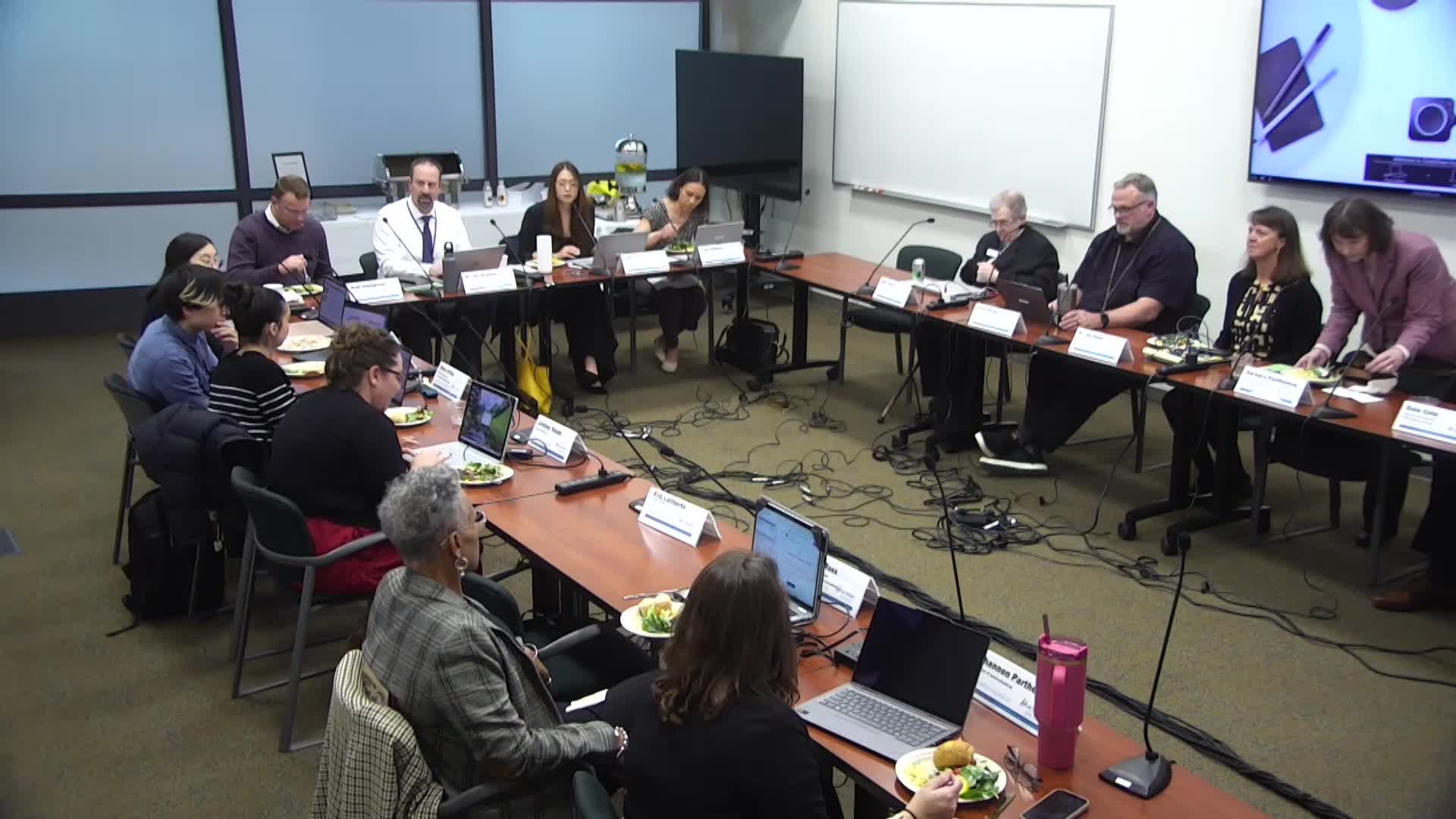
At the April 7 Lake Washington School District study session, board members discussed a proposal to shift some operational-expectation monitoring into study sessions while keeping formal approval at subsequent board meetings so the regular meeting agenda can focus more on results monitoring.
At the April 7 Lake Washington School District study session, board members discussed a proposal to shift some operational-expectation monitoring into study sessions while keeping formal approval at subsequent board meetings so the regular meeting agenda can focus more on results monitoring.
Board members said the change is intended to free meeting time to track district results (such as R2, the policy on student success in algebra by eighth grade) and to create a separate “progress report” monitoring process during the year. Board members and the superintendent agreed staff should draft a detailed work plan for the coming year outlining which indicators would be the focus of progress monitoring and how often staff would return with interim data.
The discussion centered on clarifying what “progress report monitoring” would look like, how narrowly the board should pre-identify indicators, and how the reports would be used in the superintendent evaluation. Participants emphasized that progress monitoring should inform the high-level R2 findings but not substitute for the formal R2 approval process.
Several board members said the board must identify focus indicators in advance so staff can prepare appropriate data. One board member cited a recent meeting with principal Dan Irvine at Inglewood Middle School where early algebra-course data suggested higher-than-expected success after expanded access; board members said similar intermediate data could be useful to see trends before the official annual R2 report.
Members debated whether pilot-school results (Inglewood and a small number of other pilot sites) should be separated from districtwide reports or treated as part of the overall R2 monitoring. Some members warned that spotlighting a single pilot as a standalone measure would not be useful for evaluating the superintendent; others said disaggregated pilot data could show whether rollout strategies are working and help the board “course correct” sooner.
No formal motion or vote occurred. The board agreed, by consensus, to ask the superintendent and staff to draft a detailed 2025–26 work plan that specifies: the definition of progress-report monitoring, proposed focus indicators for the year, reporting cadence, and which datasets staff would need in advance. The draft work plan will return to a future study session for board review.
Board members raised timeline concerns: the proposal uses an October example in which operational expectation items (OE12 and OE13 in the draft schedule) would be discussed in a study session and approved at the board meeting that same night unless additional follow-up were required. Staff said some OE items (OE3, OE11 and several others) will remain on the regular board-meeting cadence because they tie directly into results monitoring.
Next steps set by consensus: staff will produce a draft work plan and sample progress-report templates for board review; the board expects additional conversation to define focus indicators (for example, low-income student cohorts, science measures, or algebra outcomes) and to identify whether monitoring uses the same indicators across multiple touchpoints or rotates topics through the year.
Notes and limitations: no formal votes were taken during this agenda item; where the transcript used inconsistent name spellings for the superintendent (Holman/Homan), the article uses the form that appeared most often in the record. Quantitative details discussed in the meeting that were not precisely stated in the transcript are reported as described in the discussion (for example, a participant referenced an increase in algebra enrollment described in the transcript as “an additional 30, hundred and 50 students”; the exact count was not specified in the record).