Get Full Government Meeting Transcripts, Videos, & Alerts Forever!
Get email alerts on the Performing Arts topic
No spam. Unsubscribe anytime.
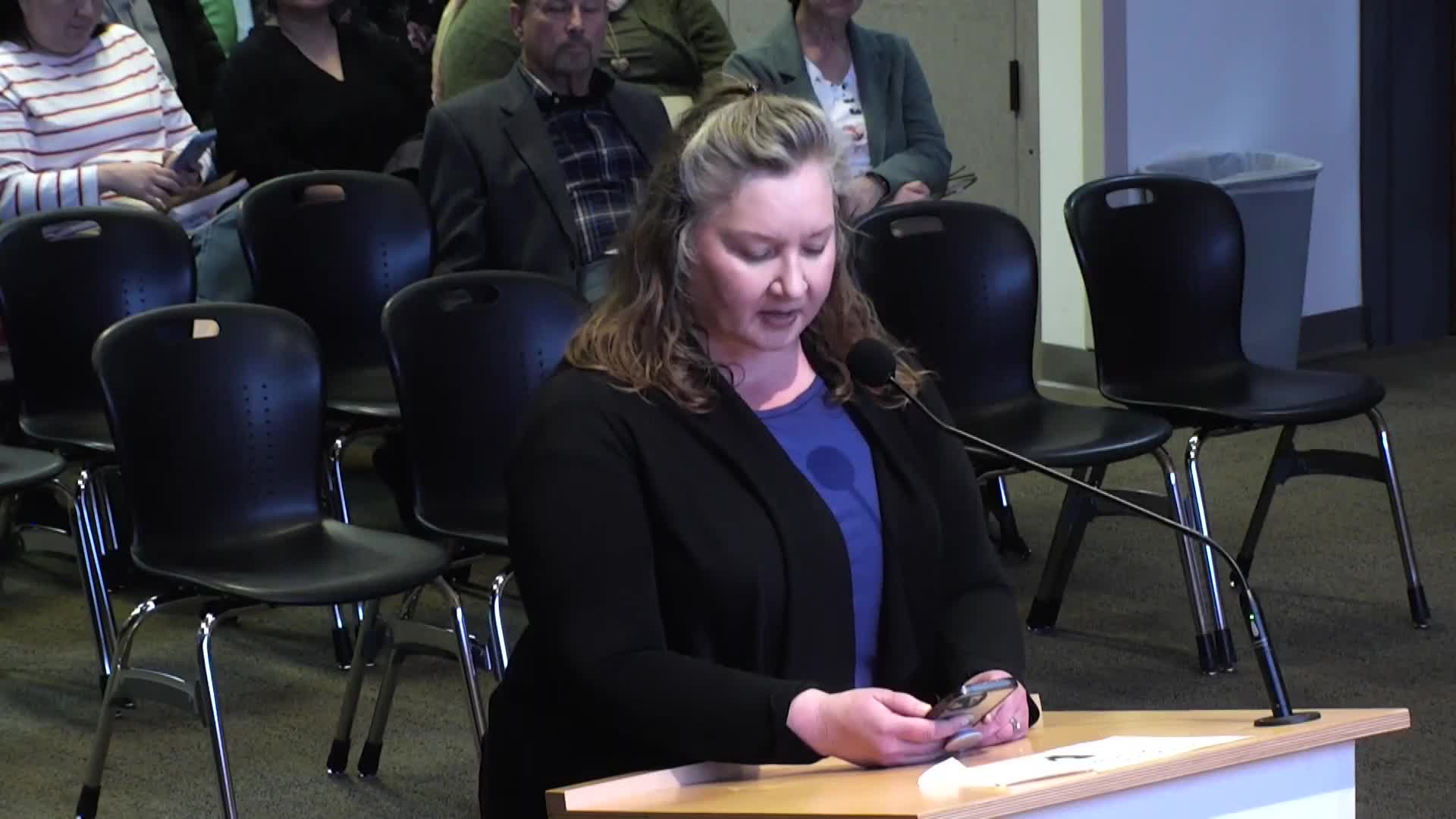
Parents, students and teachers urge Lake Washington board to preserve music and choir programs
Summary
More than a dozen parents, students and music teachers told the Lake Washington School Board during public comment that proposed program reductions and the shift to a six‑period day threaten access to music, choir and performing arts; speakers asked the district to reopen elective registration and clarify CTE credit messaging.
Dozens of parents, students, alumni and music educators urged the Lake Washington School Board Monday to reverse or mitigate cuts to performing arts programs and to improve district communication about Career and Technical Education (CTE) credit for music.
Sarah Hauserman, president of the Juanita High School Performing Arts Booster Club, told the board that the district’s move to a six‑period day has prompted students to drop performing arts classes and that district materials have not clearly communicated that four years of participation in music counts for CTE credit. She asked for consistent, districtwide messaging, updated website materials, and a window for students to revise elective choices after receiving corrected information.
Music teachers and students across the district echoed that concern. Erin Johns, music teacher at McAuliffe Elementary, asked the board to “support equity in action” by reinstating Eastlake High School’s choir and ensuring feeder middle schools offer choir during the school day regardless of enrollment numbers. Nicholas Gorny, music teacher at Mead Elementary, said choir teaches unique social and cognitive skills and that the elimination of choir in some feeder areas creates inequitable access compared with band and orchestra.
Several students described personal impacts. Lars Hauserman, a senior at Juanita High School, said participation in band and choir helped him win scholarships and that program cuts could hurt college opportunities. McKenna Bailey said she was not told choir could count for CTE credit and asked the district to reopen registration for incoming ninth graders. Anika Markell and other students warned that removing experienced conductors or reducing staffing will make it harder to sustain elementary and middle programs that feed high school ensembles.
Community members and performers framed the cuts as a threat to a “whole child” education: Kim Giordano, a Juanita parent and arts advocate, said reductions send “a clear, harmful message” and cited recent high‑level student achievements such as a Carnegie Hall trip for Juanita Orchestra.
Speakers proposed concrete steps: reopen elective registration for affected students, issue clear districtwide communications that four years of music qualifies as CTE (and extend the clarification to drama), reexamine enrollment thresholds used to cancel classes, and prioritize hiring and retention of experienced conductors and teachers.
Board members did not take action during the public comment period; Dr. Holman confirmed earlier in the meeting that some reinvestment FTE had been allocated to high schools as part of the budget response. The district’s budget presentation on staffing and program changes immediately followed public comment.
Speakers asked the board to treat the issue as time‑sensitive because registration and schedule building for next year are underway. Multiple speakers requested that the district revise student outreach and website materials promptly so families can make informed course selections.