
District presents long-term facilities condition assessment; Spring Street building and equity gaps highlighted
Get AI-powered insights, summaries, and transcripts
Subscribe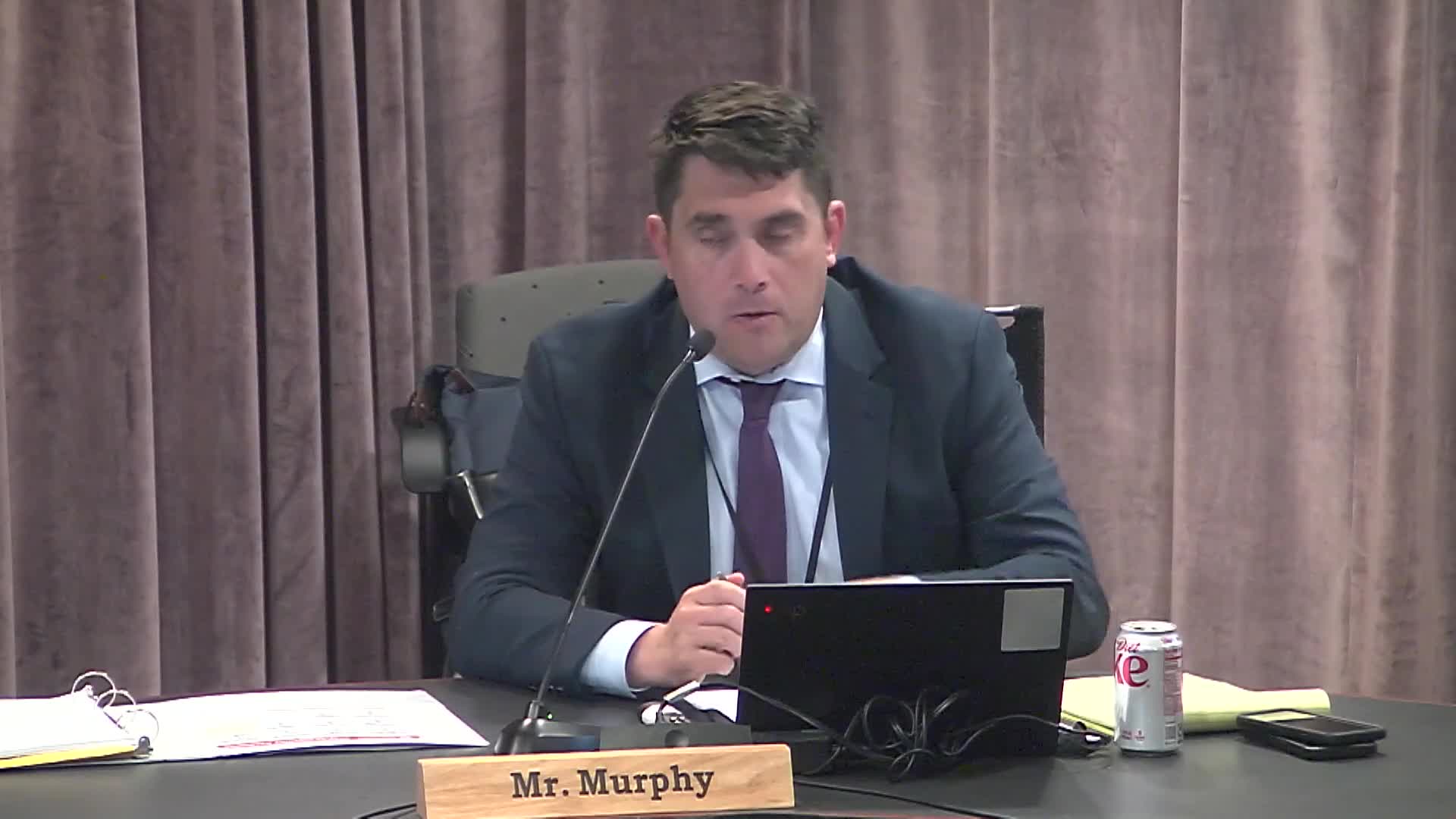
Summary
Cambridge public schools administrators summarized a multi-year facilities condition assessment that rates ten older school buildings and outlines multi-decade priorities; the report will be released publicly before an April 16 City Council hearing and prompts planning for Spring Street (former Kennedy Longfellow) reopening.
The Cambridge School Committee received a detailed update on a long-term facilities condition assessment that examines older district buildings not recently renovated or replaced.
Superintendent Murphy and district facilities staff said the consultant DLR spent two years conducting an in-depth, room-by-room assessment of mechanical, electrical, plumbing and programmatic adequacy across 10 school buildings. The analysis cross-references a facilities-condition rubric with an educational adequacy index to create a composite prioritization of needs.
Superintendent Murphy emphasized the report’s intent and limits, saying the study “is not the Cambridge Public Schools” — it is an independent, technical analysis to help the district and city set multi-decade infrastructure priorities. He cautioned the committee to treat the report as informative rather than prescriptive, and noted the study was commissioned four years ago while the district and city have continued to make capital investments.
Key points raised in discussion included: - Spring Street (the former Kennedy Longfellow building) will remain a Cambridge Public Schools facility and the district plans a capital investment to make it school-ready; the superintendent said the estimated investment is in the vicinity of $10 million to address system replacements and repairs. - The consultant’s scoring placed several older schools in the “baseline functionality” range and none in a “poor” bucket; the district emphasized continued routine investment and pointed to roofs, windows, elevators, HVAC and accessibility as recurring priorities. - Superintendent and facilities staff said new, recently completed buildings (for example the Tobin Montessori campus and the Vassal Upper School) were not part of this review but must be considered in future system-level planning.
Timing and release: City and district staff said the public portions of the consultant report will be released before an April 16 City Council hearing; safety and security details may be redacted. The district plans public engagement this spring on options for Spring Street and expects to return a recommendation to the school committee later this calendar year.
Why it matters: Committee members and students stressed that building condition affects equity, access and day-to-day learning. Student representatives raised elevator reliability and accessibility at CRLS; several committee members urged continued investment in older schools so campus appearance and basic building functions reflect the district’s educational commitments.
Ending: The committee will receive the public report and begin multi-stakeholder planning this spring; the district described the assessment as a roadmap for long-term capital priorities rather than an immediate construction plan.