Get Full Government Meeting Transcripts, Videos, & Alerts Forever!
Get email alerts on the Housing Vouchers topic
No spam. Unsubscribe anytime.
City council adopts Section 8 administrative plan updates, cites HUD modernization changes and landlord outreach
Summary
Cedar Rapids approved amendments to its Section 8 Housing Choice Voucher administrative plan and five‑year plan to implement HUD regulatory changes and expand landlord outreach and tenant protections, with an effective date of July 1, 2025.
The Cedar Rapids City Council on April 8 adopted amendments to the Section 8 Housing Choice Voucher administrative plan and the housing authority’s five‑year plan, implementing federal regulatory changes and local policy updates aimed at reducing barriers to housing.
Sarah Buck and Laura Shaw of Community Development told council the changes reflect HUD’s Housing Opportunity Through Modernization Act regulatory updates — primarily revisions to household income and asset calculations — and local administrative adjustments including refining termination‑related notices to allow applicants to provide additional circumstances before termination decisions. “We don’t believe it’s gonna have a large impact on our families,” Laura Shaw said of the HUD changes, adding the agency had worked with Iowa Legal Aid and other partners on discretionary revisions that would allow staff to consider additional circumstances before moving to termination.
City staff reported the housing authority serves Linn and Benton counties, has been operating about 49 years, dispenses roughly $7,000,000 a year in rent assistance to local landlords, and maintains complementary programs including 30 annually available vouchers referred through coordinated entry, 30 emergency housing vouchers, five stability vouchers and 24 Veterans Affairs Supportive Housing (VASH) vouchers. Staff also gave demographic details: 26% of families have a head of household age 62 or older; 54% have a head of household with a disability; 59% of active households have annual incomes below $15,000; and the average length of participation is roughly seven years.
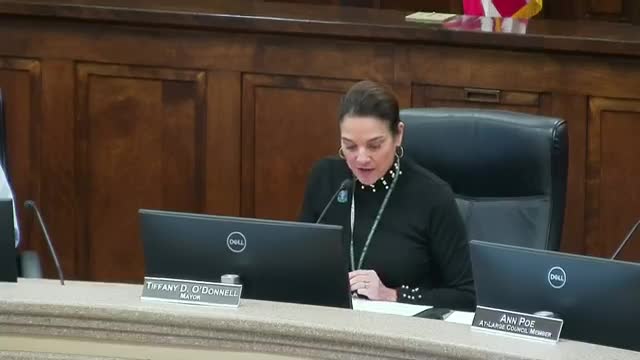
Staff said the resident advisory board reviewed and approved the changes on Jan. 21 and the public comment period ran Feb. 21–April 7. The amendments would take effect July 1, 2025. Council adopted the resolution after a public hearing with no speakers for the record. Council Member Van Orni praised the landlord incentive pilot and community partnerships, and Council Member Poe moved the resolution to adopt the changes.
The changes are intended to modernize income and asset calculations to comply with HUD rules while adding local discretion to reduce involuntary terminations and boost landlord outreach through incentives and referral partnerships for households with high barriers to tenancy.