Get Full Government Meeting Transcripts, Videos, & Alerts Forever!
Get email alerts on the Pupil Accounting Personalized Learning topic
No spam. Unsubscribe anytime.
Personalized-learning task force urges pupil-accounting reform to scale flexible schooling options
Summary
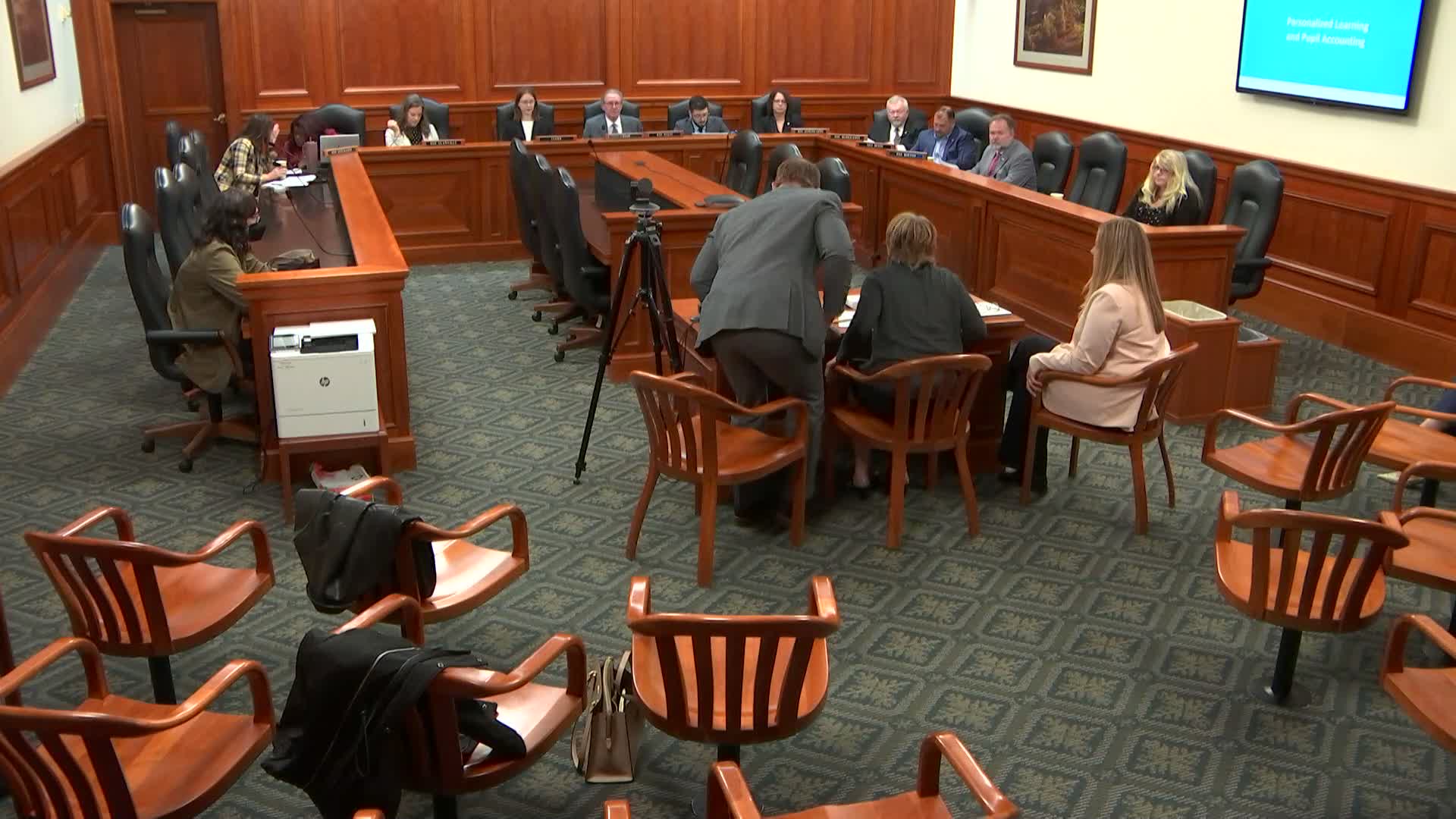
Lisa Sitkins, president and COO of LSS Connections (consultant), told the House Appropriations Subcommittee on School Aid that pupil-accounting rules and seat-time requirements obstruct districts trying to scale personalized-learning models.
LANSING Lisa Sitkins, identified in testimony as president and COO of LSS Connections and a consultant to districts, told the House Appropriations Subcommittee on School Aid that pupil-accounting rules and seat-time requirements obstruct districts trying to scale personalized learning models.
"The path to personalized learning for every student seems to stop at pupil accounting," Lisa Sitkins said, describing operational burdens created when a single student participates in multiple program types (CTE, virtual, dual enrollment, work-based learning) and thus must be tracked under multiple rules.
Sitkins described how Michigan statute requires a district to provide at least 1,098 hours and 180 days of instruction for general programs but noted that cyber schools, dropout-recovery programs and other programs currently operate under exemptions or waivers. She argued that innovative programs should be allowed alternative accounting procedures aligned with those unconventional programs if they meet safeguards.
As a proposed alternative, Sitkins described an approach used in other flexible programs: an individualized written learning plan (education or development plan) co-created by the student, family and certified staff; measurable goals with weekly mentoring or coaching check-ins; quarterly satisfactory-progress reporting; and annual plan review and revision. She said that approach could permit removing strict seat-time rules for qualifying innovative programs without sacrificing rigor or access to certified teachers.
Committee members, including Vice Chair Glanville, voiced support for removing rigid seat-time rules and for greater use of competency-based education. Sitkins and other presenters asked to participate in a working group the committee said it might form to revise pupil-accounting procedures and the Pupil Accounting Manual.
Ending: Presenters asked the committee for statutory changes or procedural rules that would exempt qualifying innovative programs from the 1,098-hours seat-time requirement and implement streamlined pupil-accounting procedures; the subcommittee did not vote.