Get Full Government Meeting Transcripts, Videos, & Alerts Forever!
Get email alerts on the Landscape Master Plan topic
No spam. Unsubscribe anytime.
Capitol commission discusses phased tree removals, plans fall planting and hears call for Michigan native species
Summary
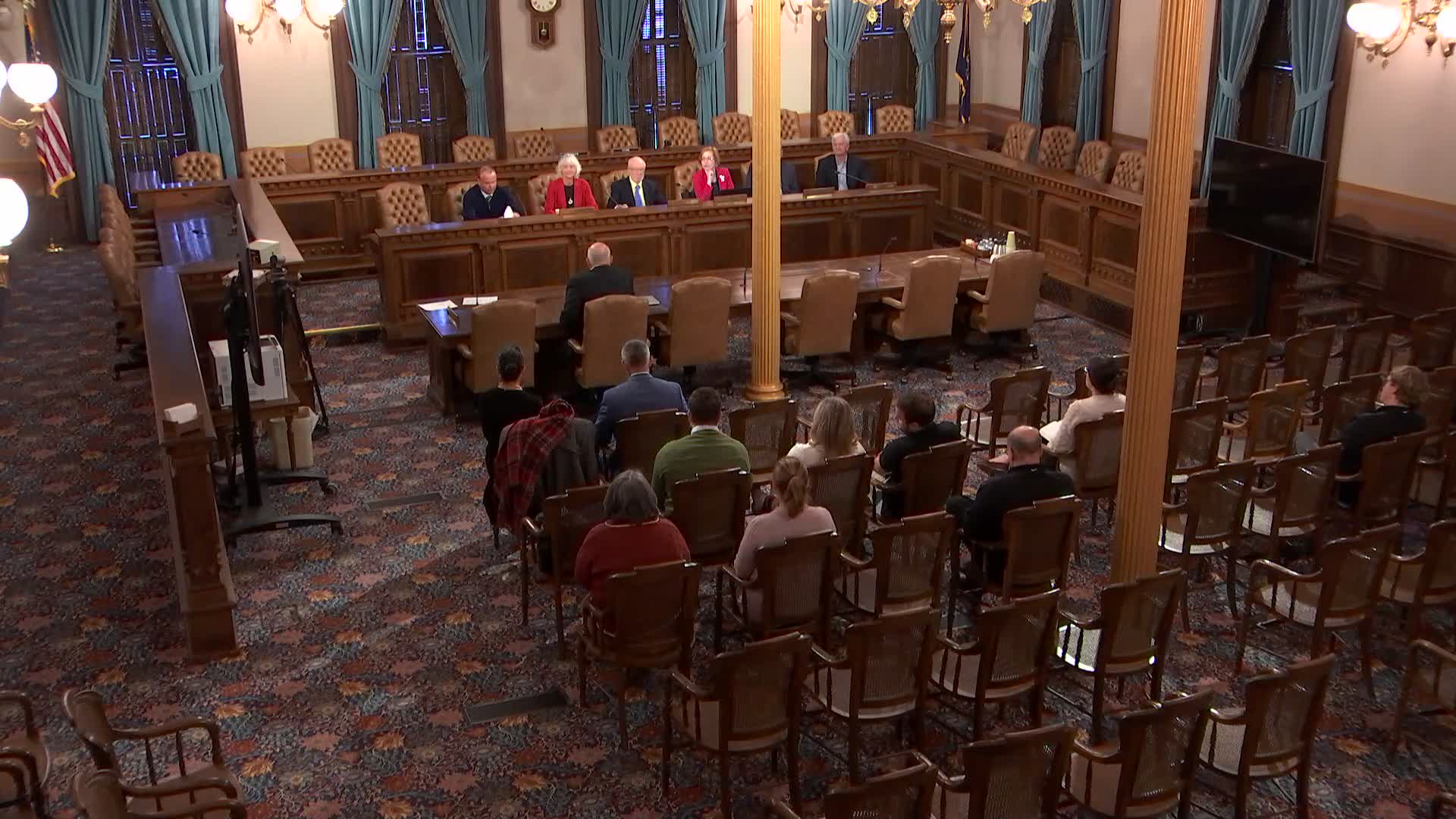
The Michigan State Capitol Commission on April 7 discussed a phased update to the Capitol grounds landscape plan that recommends selective tree removals, replacement plantings of Michigan hardwoods and a slow, multi-year implementation timeline.
The Michigan State Capitol Commission on April 7 discussed a phased update to the Capitol grounds landscape plan that recommends selective tree removals, replacement plantings of Michigan hardwoods and a slow, multi-year implementation timeline.
Rob Blackshaw, executive director of the Capitol complex, told commissioners the landscape master plan was revised by landscape architect Beckett and Rader after changes to the grounds, including the addition of Heritage Hall and removal of the west parking lots. He said the commission adopted a modified master plan in 2023 and that staff now recommend phasing removals rather than pursuing the full removal shown on the draft maps.
"I was going to come to the meeting today and ask for permission or a vote to start removing these right away, but I do think that this is too big of an impact for us right away," Blackshaw said, adding he would return with a more limited tree-removal and planting plan timed for fall work. He said staff plan to target immediate removals for trees classified as hazards and replace selected trees with mid-size, hardy Michigan hardwoods.
Blackshaw described the staff's target replacement sizes as typically 3- to 4-inch caliper, and in some species up to 6-inch caliper, so new trees are established and hardy when placed on the grounds. He said the overall master plan is expected to be implemented over a decade or longer and that the commission would see a fall 2025 planting-and-removal plan and a phase 2 plan for 2026 to guide decisions on subsequent work.
Commissioners and staff emphasized care in staging changes so the grounds remain visually coherent to the public. Chair Candler noted the work "is gonna take a decade to implement" and stressed that staff are taking time to select appropriate specimens.
During public comment, Nicole Kenway Biber, who identified herself as a tribal citizen of the Little Traverse Bay Bands of Odawa, urged the commission to prioritize Michigan native plant species and to consider meadow or native-grass plantings where appropriate. "I was really happy to hear that it's gonna be Michigan hardwood trees that are the new ones being planted," she said, and suggested expanding native shrubs, wildflowers and grasses to support pollinators and reduce mowing in select areas.
Blackshaw said staff will meet again with the landscape architect and return with more detailed, phased plans for commission review before any large-scale removals.
Questions and clarifications recorded in the meeting included that hazard trees (trees with failing limbs or that had previously fallen in storms) would be prioritized for removal and that full implementation would be phased to reduce public impact.
The commission did not take a separate formal vote on landscape phasing at the April 7 meeting; Blackshaw said he would bring formal proposals and specific work plans back to the commission for future action.