Get Full Government Meeting Transcripts, Videos, & Alerts Forever!
Get email alerts on the Early Childhood Nonpublic Prek topic
No spam. Unsubscribe anytime.
DESE work group recommends tightening nonpublic pre-K health and safety language; public comment urges caution on regulatory scope
Summary
Department staff told BESE that a working group reviewed safety and licensing language and proposed revisions for nonpublic pre‑K programs, including mandatory-reporter training, supervision expectations, written policies and a requirement to disclose admissions criteria.
Department staff reported to BESE that a working group convened to review health-and-safety policy for nonpublic pre-kindergarten programs and recommended a set of proposed revisions. The group examined existing guidance and portions of Bulletin 137 (licensing for early childhood programs) to identify provisions that could reasonably be applied or adapted for nonpublic pre‑K programs.
The work group recommended updates in several areas, including clearer mandatory-reporter language and required training, revised supervision requirements, updates to written-policy expectations (including bullying-prevention elements), and suggested disclosure of admissions criteria (the example discussed was whether a requirement that children be potty‑trained must be disclosed). Staff said many suggested items reflected common practice but the group believed codifying the items would protect child safety and reduce ambiguity across schools.
Department staff asked for feedback on whether the proposed changes should also apply to pre‑K‑4 programs; the working group recommended extending the revisions beyond 3‑year‑old programs. Several board members asked for a consolidated document that shows the current chapter (including recent March revisions) side‑by‑side with proposed edits so stakeholders could review the entire chapter and the new suggestions together; staff agreed to prepare and circulate that combined draft and to solicit feedback from additional nonpublic schools.
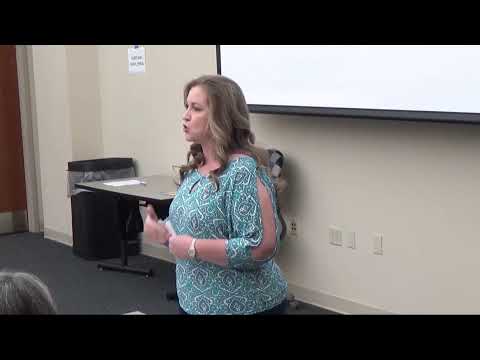
Public comment and concerns Erin Bindley of the Pelican Institute for Public Policy addressed the board during public comment. Bindley said the institute supports child-safety goals but urged caution against adding regulatory requirements that could exceed the Legislature’s intent or unintentionally impose construction or operational costs on small private schools. "The law does not require the state to be involved in the regulation of your 4 year old programs," Bindley said; she recommended early childhood directors and legal counsel review the draft for unintended consequences and said stakeholders should use the formal rulemaking public-comment period to propose refinements.
Action and next steps BESE members moved and seconded to receive the working-group report; staff said they will prepare a consolidated document showing the chapter as recently revised together with the proposed additions, circulate that draft to the work group and other interested schools, and return with a revised proposal at a future meeting (members discussed returning to the topic at the July meeting). Staff also invited individual schools to submit names for outreach and offered an email contact (educationpolicyla@) for suggestions.
Ending: The board received the report and staff committed to circulate a combined draft that includes recent rule changes and the proposed pre‑K language for review before the next meeting.