Get Full Government Meeting Transcripts, Videos, & Alerts Forever!
Get email alerts on the Workforce Services Audit topic
No spam. Unsubscribe anytime.
Audit finds gains for some workforce programs but flags Medicaid unwinding and access delays at DWS
Summary
Legislative auditors presented a systematic audit of the Utah Department of Workforce Services, finding measurable wage gains for some program participants but noting service access problems during Medicaid unwinding and uneven customer service capacity.
Legislative auditors presented a systematic audit of the Utah Department of Workforce Services, finding measurable wage gains for some program participants but noting service access problems during Medicaid unwinding and uneven customer service capacity.
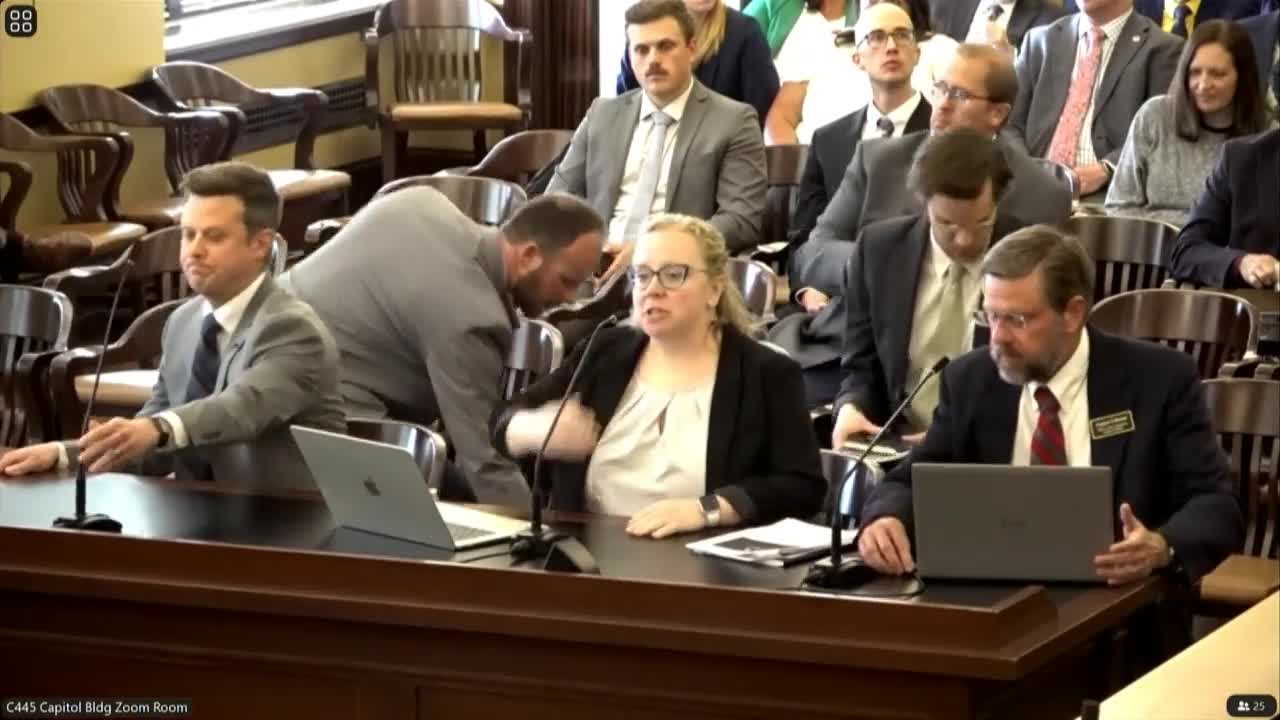
The audit, presented by Leah Blevins and August Lehman of the Office of the Legislative Auditor General, followed cohorts through workforce development programs and found median percentage wage increases for participants in the range discussed in the presentation, but also that even large relative increases often left annual earnings below a living wage. “Even the ... 262% increase ... went from $6,000 a year to $24,000 a year. And so that’s not a living wage,” Lehman said.
Why it matters: The audit aims to identify where DWS can better use data to improve outcomes, reduce long phone wait times and lower rates of procedural Medicaid termination after the federal continuous‑coverage requirement ended.
Key findings and recommendations: Auditors recommended that DWS (1) analyze the characteristics of participants who achieved living wages to replicate successful practices; (2) address high procedural Medicaid terminations that resulted from nonresponse during the unwinding process and consider models other states used (including potential waivers); (3) meet the legislative target call wait time of 18 minutes (the report showed average wait times reached about 40 minutes at points during unwinding); and (4) allow longer session persistence for online applications (Utah’s portal currently times out after one day whereas other states give multiple days).
DWS response: Casey Cameron, executive director of the Department of Workforce Services, told the committee the agency concurs with the recommendations and called several of them “good customer experience and access recommendations.” Cameron said auditors worked alongside DWS staff and that the department will pursue research and operational changes recommended in the report and use scheduled trainings to improve statewide implementation.
Committee discussion and follow up: Committee members sought more detail about staff capacity and whether performance metrics prioritize throughput over individualized service. Auditors and DWS acknowledged that dual roles for phone staff (intake and eligibility determination) contribute to longer service times and that staffing models and scheduling could be adjusted.
Outcome and next steps: President Adams moved to refer the systematic audit of the Department of Workforce Services to the Economic Development and Workforce Services Interim Committee as the lead committee and to the Social Services Appropriations Committee as the review committee; that referral was approved by voice vote. Later in the meeting President Adams moved to amend the referral so the review committee would be the Economic and Community Development Appropriations Subcommittee; that substitute motion was approved by voice vote. Auditors recommended follow‑up on the Medicaid unwinding and monitoring of implementation of call‑time and application‑persistence recommendations.
Ending: DWS said it will schedule training for county and field staff to implement the recommendations and that the department agrees with the audit’s recommendations to improve customer access and data use.