Get Full Government Meeting Transcripts, Videos, & Alerts Forever!
Get email alerts on the Compensation Policy topic
No spam. Unsubscribe anytime.
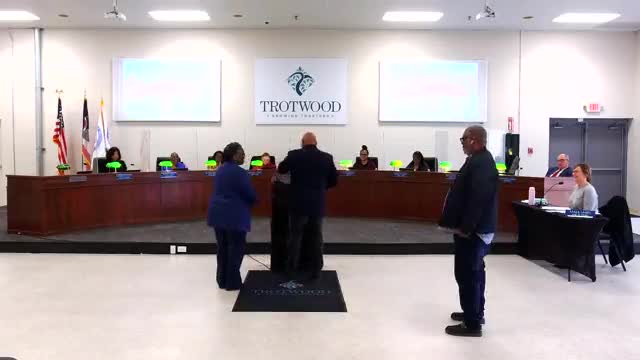
Trotwood compensation board recommends mayor and council salaries, seeks change to mayoral per diem
Summary
A volunteer compensation board presented recommendations to Trotwood City Council proposing a $15,000 annual salary for the mayor, $10,000 for council members and elimination of the mayor’s $50 per diem for nonprofessional activities.
A volunteer compensation board presented a report to the Trotwood City Council recommending that the mayor’s per diem be terminated and that elected officials receive set annual salaries beginning with the next term.
The board recommended ending the mayor’s per-diem pay of $50 for nonprofessional development activities — previously capped at $500 per month — and establishing a mayoral salary of $15,000 per year, with council members paid $10,000 per year, both to be paid in equal monthly installments. The report says the recommendations would take effect “at the commencement of a new term for each elected position.”
The report was described as the product of “much discussion and deliberation” by a volunteer panel appointed to study elected-official pay. The compensation board listed its members in the report: Katrina Coleman (chair), Marcus Rutherford (vice chair), Shane English, Rob Hankins, Adrian Hurd, Scott Thomason and Cheryl Wingard. The council received the report during the meeting and thanked the board for its work; the transcript does not show the council formally adopting the recommendations during this session.
The presentation did not include a detailed budgetary breakdown or a staff estimate of fiscal impact during the public reading. Council members thanked the board for completing its work within the requested timeframe and noted appreciation for the volunteers’ participation. The compensation board presentation was submitted to council as a formal report for consideration.
The council did not take a recorded vote on adopting the compensation board’s recommendations during the meeting; the next steps and any required ordinance or budget amendment to implement the changes were not specified in the transcript.
The compensation board report is now part of council records and will likely require follow-up from city staff to determine fiscal impact and the timeline for any ordinance or budget changes required to implement the recommended salaries.