Get Full Government Meeting Transcripts, Videos, & Alerts Forever!
Get email alerts on the Public Comment Identity Policy topic
No spam. Unsubscribe anytime.
Public commenter tells Stillwater board it is ‘bullying’ families over identity-policy enforcement
Summary
A member of the public criticized the school board and staff during the meeting’s public-comment period, alleging the board uses derogatory labels and that district policies on identity issues will lead to investigations and discipline of students with differing beliefs.
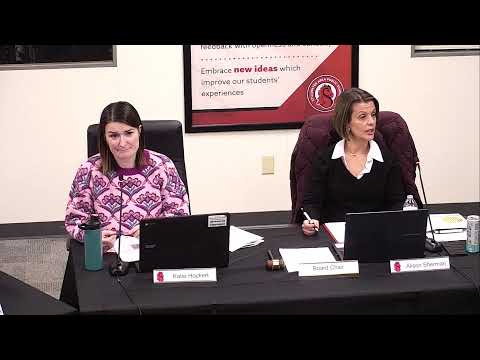
A public commenter during Tuesday’s Stillwater Area Public Schools meeting accused the board and district employees of repeatedly using slurs and of enforcing recently adopted identity-protection protocols in a way that would punish students with traditional or conservative beliefs.
The speaker, identified in the meeting as a member of the public, said that board members and staff “regularly and casually call your neighbors, transphobes, homophobes, white supremacists, racists, deniers, haters, and more,” and characterized those labels as “slurs” that marginalize families. The commenter urged parents to take the remarks seriously and warned that, under the board’s protocols, children who express views inconsistent with district guidance could face investigations and disciplinary responses.
Nut graf: The remarks occurred during the public-comment period and reflect the fraught community discussion in many districts over policies addressing identity, inclusion and disciplinary responses. The board did not respond during the public-comment period; chair and staff later moved on to business items.
The commenter said the board’s recent adoption of “identity harm protocols” will, in their view, allow counselors and the district to “reprogram” student beliefs and publicly label students who disagree as “haters” or “political dissidents.” The speaker urged parents to oppose the board’s approach.
Ending: The board did not engage in deliberation during public comment; state law limits board discussion of personnel or student matters during public testimony. The board proceeded to its consent agenda and other business after the comment period ended.