Get Full Government Meeting Transcripts, Videos, & Alerts Forever!
Get email alerts on the Student Devices topic
No spam. Unsubscribe anytime.
Board takes second read of cell‑phone policy; administrative rules to define "designated areas"
Summary
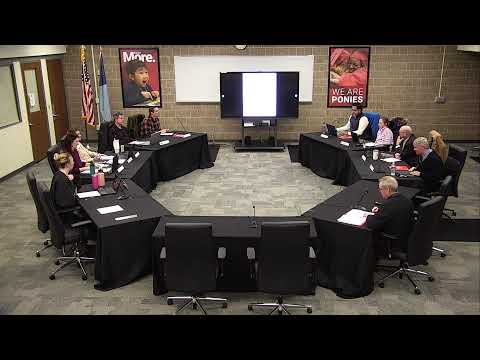
On a second read the board reviewed model language that would prohibit student use of personal electronic devices "bell to bell," and asked administration to clarify procedures — e.g., whether backpacks or pouches count as designated storage areas — before a third read and vote.
The board reviewed a second reading of proposed policy 524.5 governing personal electronic communication devices in schools and did not take action; administrators and the policy committee will draft the implementing procedures staff will use to enforce the rule.
What the proposal says Committee staff presented model language that would prohibit students (preK–12) from using personal electronic devices on school premises "from bell to bell," including instructional time, lunch, recess and school-sponsored activities. The text requires devices to be kept in designated areas and turned off; the policy committee added the word "wirelessly" to the device definition to clarify that wired-only items used for synchronous instruction would not be swept into the wireless ban.
Questions and next steps Trustees discussed whether the policy should allow limited between-classroom use at the high‑school level and raised practical implementation issues: how to define "designated areas" (examples discussed included backpacks, pouches or school-provided storage), whether buses to/from school should be exempt, and how to handle off‑campus, school‑sponsored trips. Administration confirmed buses to and from school would be considered within the bell‑to‑bell restriction but that activity-specific guidance and permission slips will govern off‑campus events. Board members asked staff to draft procedures, including consistent enforcement protocols and communications for families and staff, and return for a third reading and action.
Ending: The board will continue policy committee work and administration will prepare operational procedures and communications before the next board reading.