Get Full Government Meeting Transcripts, Videos, & Alerts Forever!
Get email alerts on the Undocumented Students topic
No spam. Unsubscribe anytime.
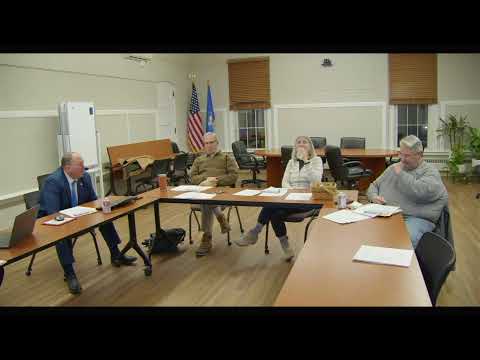
Board debates draft policy on undocumented students and response to immigration enforcement
Summary
The board reviewed a draft policy and regulation addressing how schools should respond to immigration enforcement, referencing Plyler v. Doe, warrant protocols, staff training and concerns about the district’s role in referring families to services
Board members reviewed a proposed policy and two sample regulations addressing how district staff should respond if immigration enforcement (ICE) agents appear at district facilities or buses, and how the district should treat enrollment and services for students regardless of immigration status.
Staff framed the draft as grounded in federal law, citing Plyler v. Doe (1982) and related guidance: public schools cannot deny students access to education on the basis of immigration status, presenters said. The draft reiterates that the district asks about residency for enrollment but does not collect immigration status, and it references McKinney-Vento rules for homeless students.
The regulation drafts detail procedures for interactions with enforcement officers: require staff to ask for warrant documentation, distinguish between judicial and administrative warrants, elevate contact to the superintendent or designee and consult the board-approved attorney before allowing enforcement access when appropriate. The draft also recommends trainings for staff, including custodians and bus drivers, and suggests posting contact and resource lists on district sites.
Board discussion focused on three areas: legal limits on district inquiry, what the district should publish or endorse on its website, and operational steps if enforcement arrives during school hours. Several board members expressed discomfort with language that would instruct the district to compile lists of community organizations or to provide “know your rights” presentations, saying that could place the district between families and legal advocates and might be seen as editorial. Staff responded that the material was provided as guidance and that the more detailed sample (sample 1) was preferable for its operational clarity if an event occurs.
Board members asked staff to confirm whether the district is legally prohibited from asking about immigration status (staff said they would verify whether the prohibition is statutory or legal practice) and asked for clearer definitions and training materials distinguishing administrative and judicial warrants so building administrators can follow a consistent protocol. Staff said they will consult the district attorney and immigration attorneys who have supplied guidance to the district.
No adoption vote was taken; the board moved the draft to a first reading so the policy and regulation language can be posted and reviewed. Staff said they would return with clarified language, marked changes, and legal citations to show which elements reflect statutory requirements and which are advisory guidance.