Get Full Government Meeting Transcripts, Videos, & Alerts Forever!
Get email alerts on the Traffic Safety Hirschfield topic
No spam. Unsubscribe anytime.
Williamsville board discusses lowering speed limit on Hirschfield near school after speed‑monitor readings
Summary
Board members discussed a plan to reduce posted speeds on Hirschfield following speed‑monitor readings and concerns about children biking to school; staff were asked to move forward with preparing a resolution and signage.
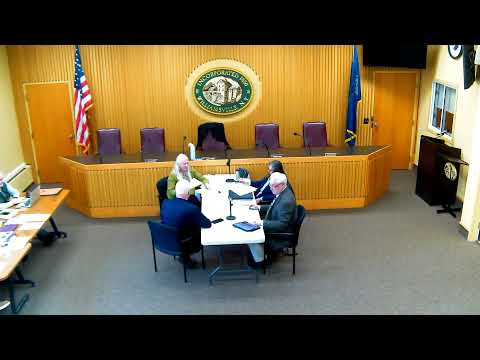
The Village of Williamsville board discussed lowering the posted speed limit on Hirschfield near the school and installing signs after a speed‑monitoring device recorded frequent high speeds, officials said at the April 14 work session.
A staff member told the board that employees putting up a speed monitor on Hirschfield reported that “cars are just, like, whizzing past him,” prompting renewed discussion of lowering the posted limit and creating designated school‑zone protections. The board spoke about options under recent state changes that permit municipalities to set lower local limits.
Why it matters: Hirschfield runs near a school and is used by students walking and biking; board members framed the change as a safety measure and discussed both a general lowered limit and the possibility of a marked school zone with slower posted speeds.
During the discussion, officials said Hirschfield is currently treated as an unposted 30 mph street in practice. Board members and staff discussed dropping the nonposted default to 25 mph and said a school zone could be posted at a lower speed (board members referenced 15 mph for some school zones and 20 mph as other local examples). The board noted that Gov. Kathy Hochul recently signed legislation expanding municipal authority to set lower limits; panelists said that change allows villages to adopt lower posted speeds without state approval, though they did not cite a specific statute by number during the meeting.
Board members also spoke about supporting measures beyond lowering the limit: installing visible signage, keeping a speed monitor in place to collect additional data, and exploring an actuated pedestrian crossing—“a light that stops and lets them cross”—near the school crosswalk. Ben, identified at the meeting as the department of public works chief who is not present that night, was referenced as having installed or monitored the device and as the staff contact for follow‑up work.
A board member said they would “just kinda move forward” to prepare needed paperwork and signage. No formal vote was taken at the work session; the board’s direction was to proceed with drafting the necessary resolution and sign plan and to continue monitoring traffic data.
The board also discussed whether lowering Hirschfield’s posted limit might shift traffic onto other parallel streets and said they would monitor for such effects. Officials flagged the county and state sidewalk and crossing programs as possible sources of funding or technical support for a marked crossing.
Next steps: Staff were directed to prepare draft language for a resolution to lower the posted speed limit on Hirschfield, determine sign locations, continue speed monitoring, and report back to the board. The board did not adopt an ordinance or take a formal vote at the April 14 work session.
A final decision, including specific posted limits and any installation schedule for a crossing signal, was not made at the meeting.