Get Full Government Meeting Transcripts, Videos, & Alerts Forever!
Get email alerts on the Public Works Sidewalks topic
No spam. Unsubscribe anytime.
Trustees review sidewalk-repair program models, loans and liability; no vote taken
Summary
Board discussed a range of sidewalk-repair approaches including a Lancaster-style low-interest loan program, county procurement piggybacking, and legal limits on municipal loans in New York; staff will research legal and procurement constraints.
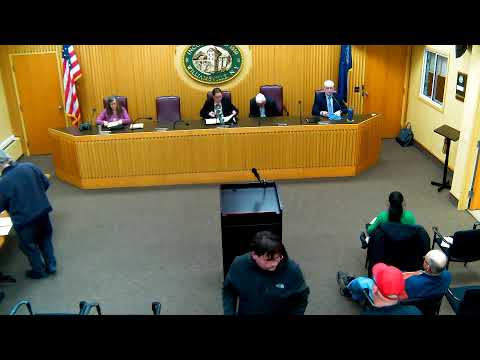
At the March 24 work session trustees spent extended time reviewing models for a sidewalk-repair program and whether the village should offer assistance or facilitate group contracting.
Staff presented a program used in Lancaster, Pennsylvania that offers low-interest loans and contractor-vetted repairs to homeowners required to fix cited sidewalks. Trustees noted New York State's general constitutional prohibition on municipal lending to private property owners and said the village would need to confirm legal authority or identify partner institutions that could operate a loan program on the village's behalf.
Discussion covered options to "piggyback" on county procurement contracts for slab replacement, the effect of prevailing wage rules on private homeowner repairs, and the village's current practice: limited grinding, selective replacement and occasional use of contractors for larger slab pours. Staff said county procurement documents should be issued in summer and could show contractor pricing the village might adopt.
Trustees asked for a legal review of what constitutes "prior written notice" to trigger municipal liability for sidewalk claims, citing recent case law and a county-level court decision that could affect when the municipality is liable for trip-and-fall claims. Staff said they would return with more analysis, including whether a voluntary group-rate program or partnering with a local financial institution would be legally and financially viable.
No formal motions were made; trustees directed staff to research legal constraints, prevailing-wage implications, and procurement/piggyback opportunities and to report back.