Get Full Government Meeting Transcripts, Videos, & Alerts Forever!
Get email alerts on the Higher Education topic
No spam. Unsubscribe anytime.
Higher education leaders press lawmakers for more recurring funding, workforce and research investments
Summary
Board of Regents and university leaders told the Senate Finance Committee the state needs sustained investment in deferred maintenance, financial aid and workforce scholarships; they highlighted gains in attainment while flagging risks from federal grant uncertainty.
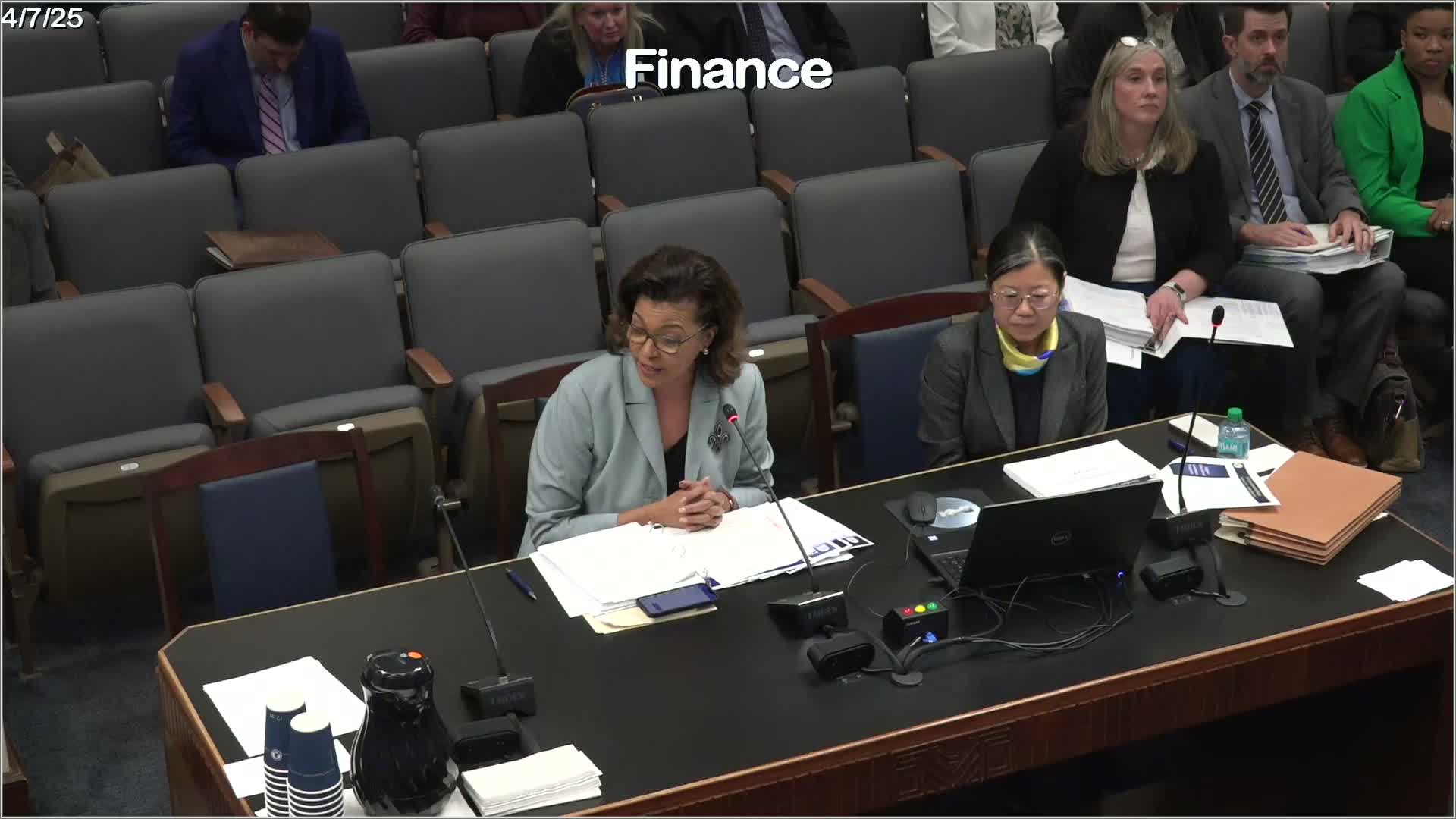
Commissioner Kim Hunter Reid and presidents from the state’s public university systems presented the higher‑education budget and policy priorities to the Senate Finance Committee, emphasizing workforce alignment, deferred maintenance, and research expansion.
Commissioner Reid told the committee the statewide educational attainment rate has reached 51% toward a 60% goal established in the Board of Regents master plan. "We were at 51% educational attainment," she said, and outlined strategic priorities to reach the 60% North Star by 2030: increase credentials of value, expand adult financial aid programs and strengthen career alignment between colleges and employers.
Priority requests and one‑time asks The Board of Regents requested recurring and one‑time investments: additional funding for deferred maintenance (the Regents requested a new $100 million ask in addition to previously appropriated amounts), recurring formula funding adjustments, and boosts to state financial‑aid programs including GO Grant and the MJ Foster workforce scholarship for adults. Commissioner Reid said the first MJ Foster round expended available funds rapidly and asked the committee to consider doubling the program’s allocation to continue serving adult learners in high‑demand fields.
Higher education leaders also flagged campus safety and deferred maintenance needs. The Regents and campus presidents briefed senators on a statewide campus safety assessment conducted by a national center — findings and recommended investments are expected to be discussed publicly later in spring and early summer.
Research, NCI and federal grant risks Dr. William Tate, LSU President, described increases in research activity across the LSU system, citing roughly $488,000,000 in research activity and plans to breach $500,000,000 in the near term. Tate said expanding research capacity supports economic development, workforce pipelines and specialized federal grants pursued by the state’s institutions. "65 percent of the Louisiana residents who graduate from LSU remain in the state," Tate told the committee, arguing that research and academic growth keep talent local.
Tate and other leaders emphasized the state’s bid for National Cancer Institute (NCI) designation and asked for state support to advance that goal; the Regents and LSU requested targeted investments in biomedical research infrastructure. Leaders also reported emerging federal risks: delayed or paused federal grants (including NIH/NEH and FEMA grant processes discussed later in the meeting) could affect research centers and documentary projects. Members asked for a consolidated list of campuses and programs affected by federal disruptions.
Why it matters Higher education leaders framed their requests as investments that produce graduates, workforce readiness and research dollars that return to the state in private investment and jobs. Commissioner Reid emphasized a layered approach: increase credentials by redesigning remedial courses, expand financial‑aid programs for adults, and use targeted one‑time dollars for facilities that enable further capacity growth.
Ending Committee members pressed for greater detail on specific project requests and asked the Regents and systems to provide written lists of federal grant disruptions. Presidents and the commissioner said they will provide more granular proposals as the budget process continues.