Lifetime Citizen Portal Access — AI Briefings, Alerts & Unlimited Follows
Whistleblower says Meta sought emergency gag order and used arbitration to silence testimony
Loading...
Summary
Sarah Wynne Williams told the Senate subcommittee that Meta pursued emergency arbitration and a broad gag order that, she said, could impose $50,000 penalties for each so‑called disparaging comment and even bar communications with congressional aides; senators called the practice abusive and discussed legislative fixes for forced arbitration.
Sarah Wynne Williams told the Senate Judiciary Subcommittee that Meta pursued emergency arbitration and a sweeping gag order that has limited her ability to speak publicly and even communicate with members of Congress.
Williams described the arbitration process as opaque and described being unaware of the emergency filing until a court order arrived at her home. She told senators the order “is so expansive that it prohibits me from speaking with members of congress” and said Meta’s legal posture included threats of “actual and punitive damages” tied to alleged breaches of confidentiality.
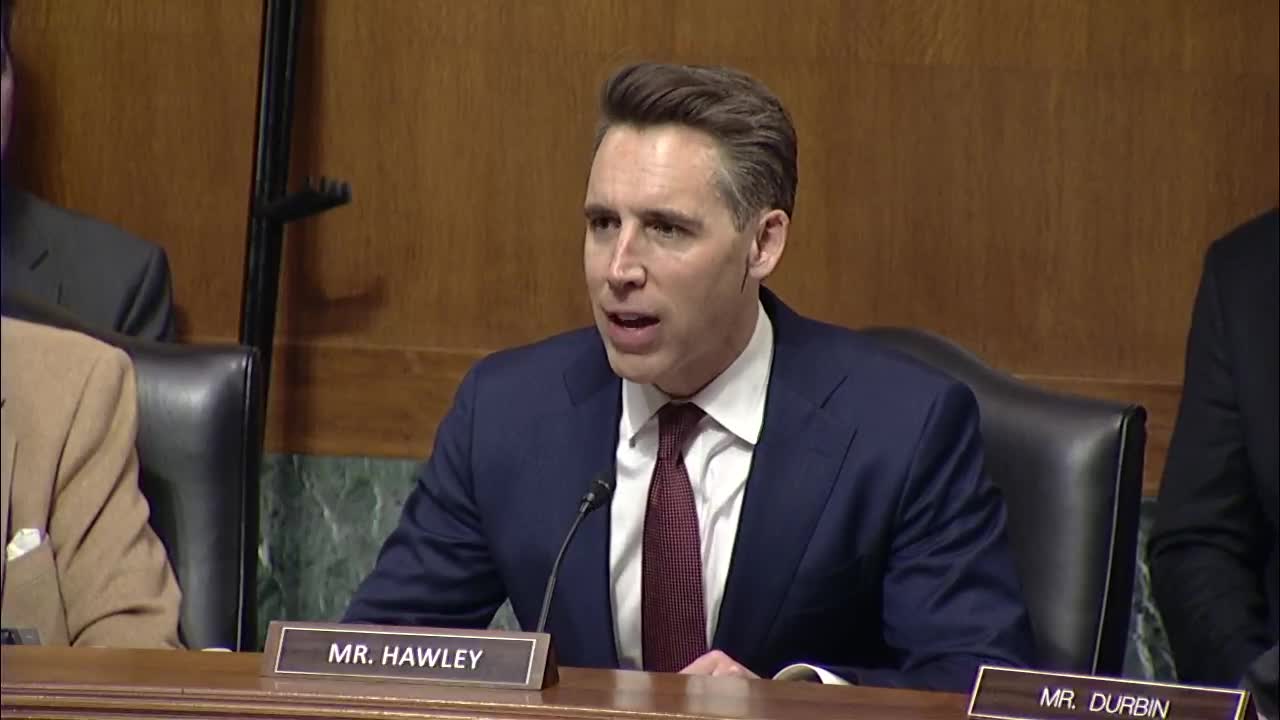
Chairman Hawley said the company had “threatened her, get this, with $50,000 in punitive damages every time she mentions Facebook in public.” Williams confirmed that the company used a defunct email address to serve the emergency arbitration notice and that she had not had notice or opportunity to participate in the initial proceeding.
Why it matters: senators from both parties described the episode as an example of how forced arbitration clauses and emergency arbitration can be used to silence critics and chill whistleblowing. Several members on the panel said they would pursue legislative remedies, including protections for whistleblowers and more limits on pre‑dispute arbitration for matters of public importance.
Details from the hearing: - Williams said the emergency arbitrator issued a broad gag order; she recounted the arrival of the order at her home and said she had not been properly notified of the arbitration proceeding. - Committee members described the clause as a tool Meta and other firms can use to “silence whistleblowers”; Senator Blumenthal and others said the committee is working on legislative protections and referenced ongoing bills (including a forced-arbitration reform, the FAIR Act, in discussion by senators). - Williams testified she had filed shareholder resolutions and whistleblower complaints with the SEC and DOJ and said Meta threatened liquidated damages and other legal consequences for public statements.
Senators asked Meta to stop attempts to gag Williams and invited the company’s executives to testify under oath. Williams said at one point, “This may be the last time I’m allowed to speak,” and senators pledged to pursue oversight and legislative changes to arbitration law and whistleblower protections.
No formal committee vote was taken; senators signaled follow‑up oversight and legislative interest in limiting forced arbitration and protecting witnesses.