Get Full Government Meeting Transcripts, Videos, & Alerts Forever!
Get email alerts on the Child Welfare topic
No spam. Unsubscribe anytime.
Louisiana Department of Children & Family Services asks Legislature for $10M and 125 frontline hires to stabilize foster care and child-welfare operations
Summary
Secretary Judge Matlock told the House Appropriations Committee the department needs 125 new frontline positions, 18 paralegals and other resources (vehicles, rate setting) at a state cost of about $10 million to reduce caseloads and improve outcomes for foster children.
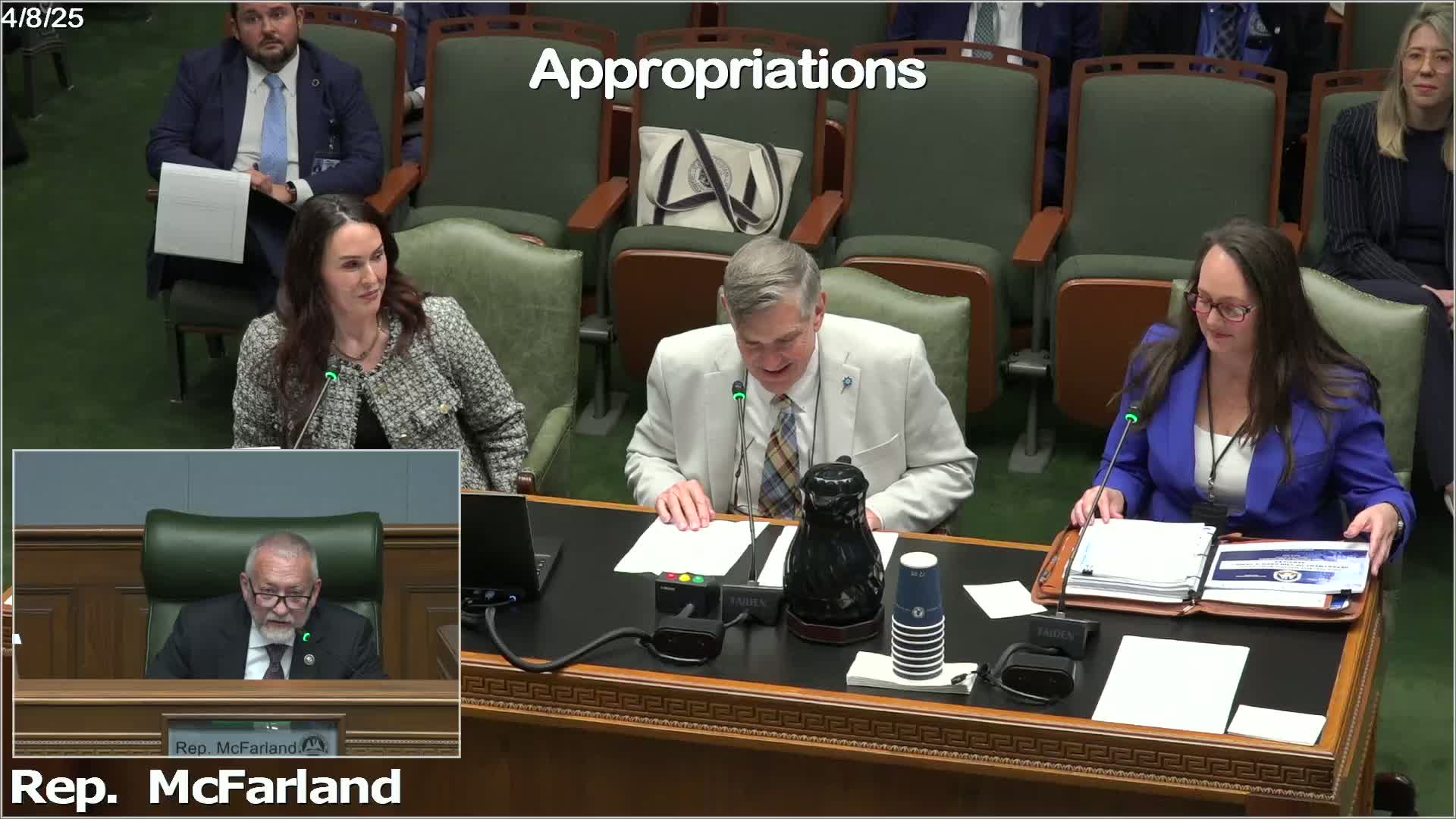
Baton Rouge — The Louisiana Department of Children and Family Services asked the House Appropriations Committee on April 8 for a package of staffing and operational funding meant to shore up front-line child-welfare services.
Secretary Judge W. Matlock told the committee the department needs 125 new front‑line human service positions — mostly caseworkers — at a state cost of about $10 million. Matlock said the request also includes 18 paralegals to support attorneys, additional vehicles and one-time funds to modernize waiver and placement rate setting.
Matlock framed the request as a workforce and performance priority: “We need 125 new TOs,” he said. He added that the extra paralegals would free attorneys and caseworkers to focus on courtroom work and on direct services. “Those 18 paralegals will also free up our lawyers,” he said, describing how legal and administrative tasks are taking time away from frontline care.
Why it matters: Matlock and his leadership credited recruitment and program changes with moving children out of emergency placements, saying the department had reduced the number of children living in offices and hotels to zero. But he said caseload pressure, time‑reporting problems and administrative burdens remain. Matlock told lawmakers much of the department’s work is ‘‘downstream and upstream of trauma’’ and argued the new hires are “survival” positions needed to maintain basic service levels.
What the money would do: Committee staff materials and Matlock’s testimony detail the package as roughly $10 million in state general fund to support 125 new positions (mostly T.O.1/2/3 caseworkers and supervisors), 18 paralegals to unburden attorneys, $1.1 million for 45 replacement vehicles, and $744,000 state / $1.1 million federal for rate setting on congregate and foster-payment schedules. Matlock said 20 of the 125 hires would be child‑welfare frontline caseworkers and five would help stand up congregate care placements.
Department context and results: Matlock described progress in foster‑home recruitment and support — from about 749 foster homes in an earlier year to 913 in FY24 — and highlighted local and faith‑based recruitment efforts. He said DCFS has reduced the number of youth in emergency office/hotel placements through foster‑home recruitment, group home capacity and operational changes. The department reported 3,753 authorized positions systemwide and said it currently had 295 vacant positions in aggregate (agencywide snapshot cited during the hearing). Matlock told the panel that many separations reflect pay and burnout, especially at entry and frontline levels.
Questions from lawmakers focused on federal funding risk and the hiring freeze: Members pressed whether federal budget uncertainty could spill over to DCFS services; Matlock said he was “watching that very closely.” On a statewide hiring freeze, Matlock said DCFS expects to seek exemptions for essential child‑welfare vacancies and told the committee he would provide individualized, justified hiring requests for critical frontline posts.
Other operational needs: Matlock asked for $744,000 in state funds for an updated rate‑setting study for congregate and therapeutic foster placements, and said an additional 30 replacement vehicles (beyond vehicles in the proposed budget) would be “transformative” for fieldworker safety and efficiency. He also asked for help restoring funding for domestic‑violence shelters and related services and said DCFS would welcome an additional $7–10 million depending on federal action.
Department officials and role of audits: Matlock and undersecretary staff described administrative audits the department has addressed — including a fuel‑card misuse finding and cost‑allocation items — and said they had reported issues to the inspector general and DA and taken corrective steps.
What’s next: Matlock urged the committee to consider the hiring and paralegal requests as both service‑stabilizing and cost‑effective by freeing professionals to do the work they were trained to do. The department said it would return with more granular numbers on salary bands, specific vacancy lists and detailed cost estimates for the positions and vehicle purchases.
Ending: Matlock closed by stressing the human stake: “Children and families — that’s what the name of this department is,” he said, urging lawmakers to treat children’s services as a core state priority.