Get Full Government Meeting Transcripts, Videos, & Alerts Forever!
Get email alerts on the Vacant Commercial Properties topic
No spam. Unsubscribe anytime.
Council committee advances tougher vacant commercial‑property registration with higher fees, bonds
Summary
A Buildings & Lands subcommittee voted to send to council an ordinance that would raise registration fees, require the city be named additional insured, and require cash bonds for vacant commercial buildings in targeted corridors.
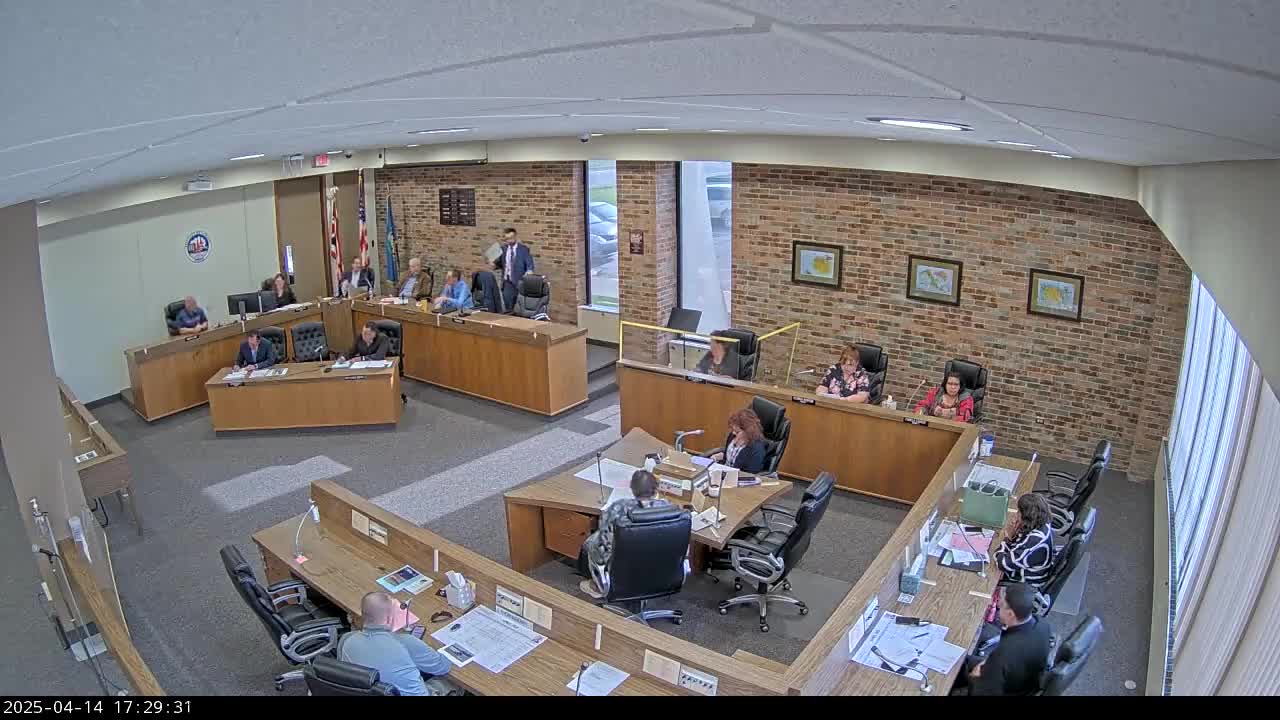
The Buildings & Lands subcommittee of the Lorain City Council voted June 11 to send to full council a proposed amendment to the city’s vacant commercial property registration code that adds insurance requirements, higher fees and a cash bond for certain buildings.
Ben Cruz, the city’s BHP director, told the committee the proposal would require owners of vacant commercial properties to name the City of Lorain as additional insured on property‑insurance policies so the city would be notified of lapses or changes. The ordinance would raise the annual registration fee from $400 to $1,000 and add a $500 annual increase for each year the building remains vacant. The draft also includes a cash bond requirement — the ordinance text proposes either $10,000 or $15,000 depending on building size — that the city could use to abate nuisances or pay to secure and repair properties when necessary.
Cruz said the changes aim to give the city more enforcement “teeth” against owners who allow downtown and corridor properties to fall into disrepair. He identified Broadway (the downtown corridor) and East 20th Street between the tracks and Grove Avenue as priority areas where the city plans to focus enforcement if the ordinance is approved.
Committee members asked how the insurance notification would trigger enforcement; Cruz said a lapse in insurance would invalidate the registration and the city could then pursue housing‑court enforcement for noncompliance. Members also raised operational questions about inspector capacity; the city’s building official said housing inspectors are organized and that the department completed property sweeps in the corridors to be targeted. Staff said the department has three full‑time housing inspectors and building inspectors handle code and construction inspections, and described procedures for locality cleanups: right‑of‑way trash gets a 72‑hour notice and public properties will pick up items if routed to them by the building department; the county’s clean‑and‑lien program supplements the city’s work for abatement and recovery.
The draft contains several other compliance details discussed at the meeting: a requirement for a knock/key box and exterior lighting, polycarbonate coverings for doors and windows within 15 feet of the exterior, and deadlines for timely reapplication (applications are due within 30 days of the preceding registration’s expiration; late applications would be subject to penalties). Committee members noted some provisions echo language in the 2021 ordinance that originally authorized registration, and staff said some caps (the earlier ordinance allowed fees up to $1,000 and an annual cap in some language of $1,200) were already present in prior code.
Business and neighborhood groups who testified supported tougher enforcement. Samantha Flores of Main Street Lorain said Main Street can help compile contact lists of property owners and assist with targeted corridor cleanup and owner outreach. The mayor and other speakers said Lorain County Public Health and community volunteers have helped recent cleanups.
After discussion the subcommittee voted to send the ordinance to full council for consideration; the committee vote was taken by voice and the motion was approved to forward the item to council for a final decision.
What this means: If council approves the ordinance, property owners of vacant commercial buildings would face higher registration fees, new insurance and bonding requirements and clearer enforcement paths that could include housing‑court action and use of bond funds to abate problems.