Get Full Government Meeting Transcripts, Videos, & Alerts Forever!
Get email alerts on the Utility Payment Plans topic
No spam. Unsubscribe anytime.
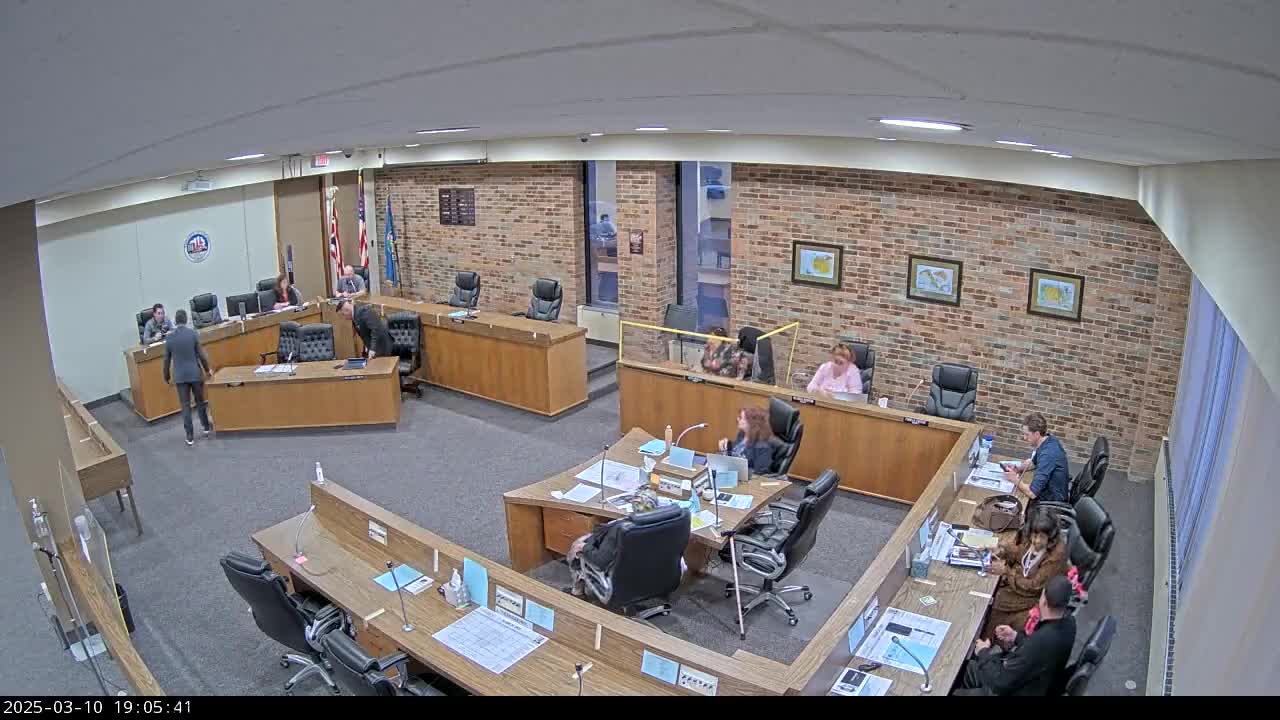
Committee hears utilities payment‑plan data; refers proposed payment‑plan ordinance back to administration for revision
Summary
The Streets & Utilities Committee received data showing about $1.8–$2.4 million in active utility arrears and debated a proposed ordinance to limit payment‑plan enrollment to once per 12 months. Council members expressed concern for residents’ hardship; the committee voted to send the draft back to administration for amendment.
The Lorain Streets & Utilities Committee reviewed a proposed ordinance to formalize customer payment plans for water, sewer and related utility charges and referred the draft back to administration for revision after council members objected to a proposed 12‑month restriction on enrollment.
The issue matters because the utilities department reported roughly $1.8 million (active accounts) to $2.4 million (including inactive accounts) in outstanding arrears across water, sewer, stormwater, penalties and fixed fees; council members warned the proposed restriction could harm residents already struggling to pay for basic services.
Director Carbonaro and Carmen Lozano (billing and meter department) briefed the committee. Carbonaro said the utilities department has seen widespread payment‑plan defaulting: since January 1, 2024 the department recorded 354 defaulted payment plans, 664 completed plans, 270 active plans and 254 plans currently past due or in process of default. He said repeated re‑enrollments by the same customers are common and that the city’s billing staff has limited capacity to track and enforce plans.
Lozano described operational details: customers can sign a payment plan that divides arrears into installments, but the billing unit has limited staffing to review files and proactively remove long‑defaulted plans; termination notices are produced only after staff manually move accounts back to termination status. She said the city will provide copies of bills to third‑party assistance agencies when tenants need help obtaining aid even if the account is in the landlord’s name.
Council members raised equity and implementation concerns. Several members (Councilwoman Spingowski, Councilwoman Kempton and others) urged compassion and expressed concern that a single 12‑month limit would punish residents who face repeated hardship. Others (Councilwoman Duvall and Councilwoman DeBauch among those speaking) emphasized customer responsibility and the need to recover revenue. Members asked for additional detail on historical pre‑COVID arrears and on the split between penalties and principal balances; staff provided a figure indicating roughly $88,000 of the cited arrears related to penalties rather than principal balances for the active‑accounts subtotal.
The committee debated alternatives including hardship provisions, referral to assistance agencies, landlord notification requirements, and the city’s existing landlord principal list. No ordinance vote was taken; Councilmember Compton seconded a motion to send the draft back to administration for amendment. The committee approved the referral by voice vote and the item will return with proposed revisions.