Get Full Government Meeting Transcripts, Videos, & Alerts Forever!
Get email alerts on the Doe Energy Nomination topic
No spam. Unsubscribe anytime.
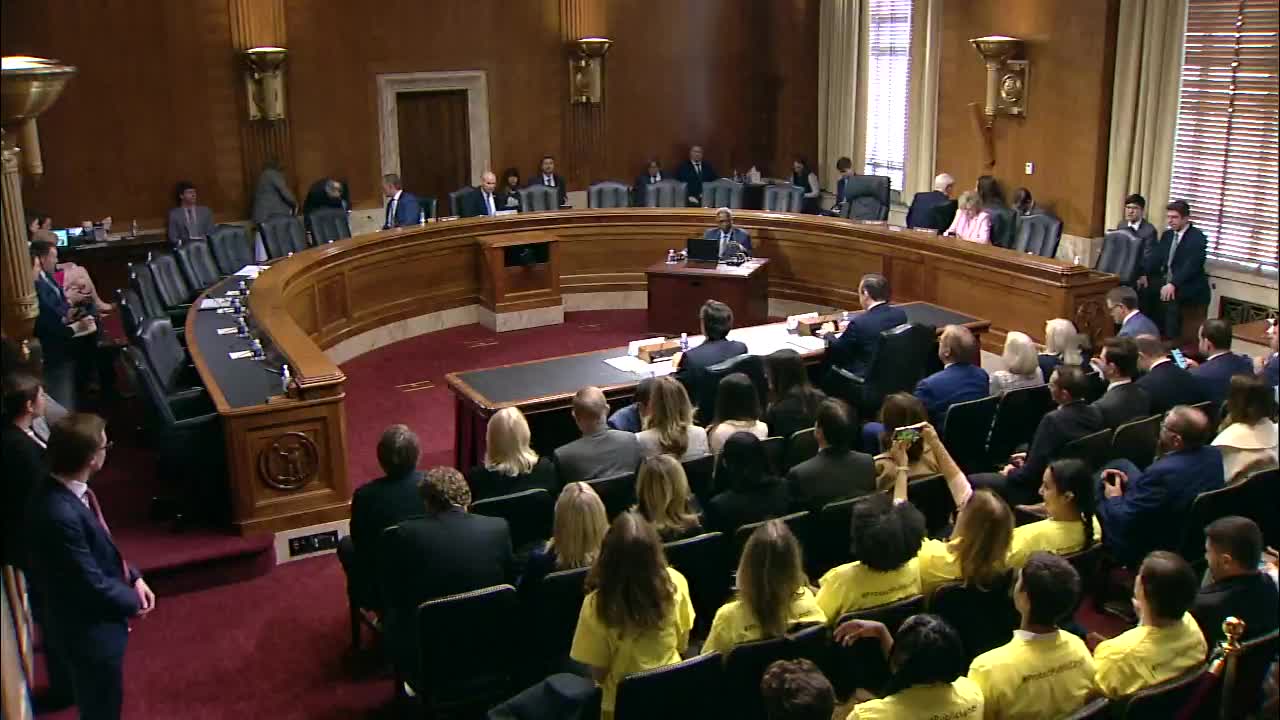
Griffith Tells Senate Panel DOE Must “Use All Electrons” as Grid Faces Growing Demand
Summary
Preston Wells Griffith III, nominated to be Under Secretary of Energy, told the Senate Energy and Natural Resources Committee that, if confirmed, he would prioritize affordable, reliable power and adhere to law on spending while working to deploy all available energy resources and address workforce and funding concerns raised by senators.
Preston Wells Griffith III, President Trump’s nominee to be Under Secretary of Energy, told the Senate Energy and Natural Resources Committee that, if confirmed, he would “leverage all the resources” across DOE program offices to deliver on administration priorities and ensure energy affordability and reliability.
The hearing focused on how the undersecretary for energy would respond to rising electricity demand driven in part by artificial intelligence and manufacturing reshoring, ongoing workforce reductions, and concerns about frozen grant and loan funding. Senators pressed Griffith on commitments to follow statute and to support federally funded programs already obligated under law.
Griffith said his role, if confirmed, would be to “leverage all the resources, the expertise, the funding in the across the program offices to deliver on the president's agenda” and stressed the need to deploy every type of generation to meet demand: “We need all electrons and we need them at a fast rate,” he said.
Ranking Member Senator Heinrich reminded the committee that the offices before Griffith — the undersecretary for energy and the undersecretary for science — have been reorganized in recent administrations and asked whether Griffith foresees further changes. Griffith said he would work with the secretary and the committee to “deliver the efficient . . . use of government resources” but did not offer a new reorganization plan.
Several senators pressed Griffith on concrete program areas. Senator Cantwell read a statement from two former Bonneville Power Administration leaders citing risk from workforce reductions and asked whether Griffith would prioritize safety and reliability when considering any reductions. Griffith responded that he would prioritize working with the secretary and the committee to address BPA and other power marketing administration concerns and said he was committed to being “a good steward of American taxpayer dollars.”
Senators also raised the Office of Clean Energy Demonstrations (OSED), created by the Bipartisan Infrastructure Law, and asked whether Griffith would follow the law and preserve programs already obligated. Griffith said he was “absolutely committed to following the law” and would prioritize being briefed on obligated projects and working with the committee to address concerns about funds being withheld or delayed.
Other topics included the Grid Deployment Office, grid-enhancing technologies, and the Office of Cybersecurity, Energy Security, and Emergency Response (CEER). Griffith called grid-enhancing technologies and cybersecurity tools “very important” and said he would prioritize grid protection and resilience should he be confirmed.
The committee also discussed tribal energy and the Office of Indian Energy. Griffith committed, if confirmed, to prioritize the office’s work for tribal communities and to work with the committee to help deploy resources and deliver results.
No committee vote was taken at the hearing. Committee records will remain open for written statements and questions for the record; the chair said follow-up questions would be submitted in writing.