Citizen Portal

Senate Commerce questions Jared Isaacman on Artemis, Mars and NASA priorities; senators press on budgets and commercial ties

3004173 · April 9, 2025

Get AI-powered insights, summaries, and transcripts

Subscribe
AI-Generated Content: All content on this page was generated by AI to highlight key points from the meeting. For complete details and context, we recommend watching the full video. so we can fix them.

Summary

Jared Isaacman, President Trump’s nominee to run NASA, told the Senate Commerce Committee he will “reinvigorate a mission‑first culture” and pursue both lunar and Mars objectives, but senators pressed him on budgeting, the future of the International Space Station and potential conflicts with commercial partners.

Jared Isaacman, President Trump’s nominee for administrator of the National Aeronautics and Space Administration, told the Senate Commerce, Science and Transportation Committee on April 10 that he would “reinvigorate a mission‑first culture” at NASA and pursue a renewed push to return Americans to the moon while charting a path to Mars.

The nominee described goals including restoring U.S. leadership in space, supporting Artemis lunar missions and accelerating scientific missions and commercial activity in low Earth orbit. He said he would prioritize technology work such as nuclear propulsion and said NASA should “undertake the near impossible challenges” that no other entity can lead.

Why it matters: The NASA administrator sets agency priorities and shepherds programs with multibillion‑dollar budgets, oversight of field centers, and long‑term commitments such as Artemis and the International Space Station. Senators pressed Isaacman on whether he would preserve NASA field centers, protect science budgets, prevent gaps in U.S. human presence in low Earth orbit, and avoid undue influence from commercial partners.

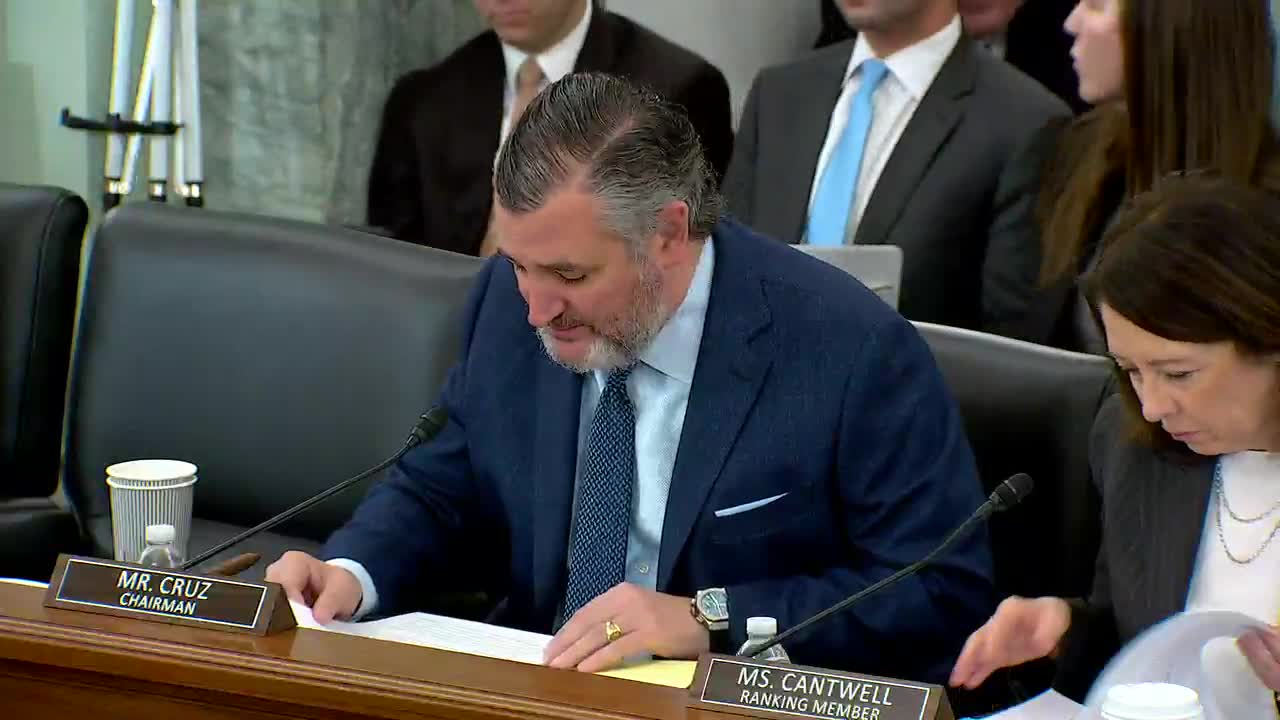
Major themes from the hearing - Moon vs. Mars and the statute: Senators repeatedly asked whether Isaacman would commit to returning to and sustaining a U.S. human presence in cislunar space or on the lunar surface. Isaacman said he supports returning to the moon and pursuing Mars in parallel, and told the committee he would follow applicable law. Senator Maria Cantwell and others pressed him to explicitly commit to not decommissioning NASA centers or assets without congressional approval. - International competition and national security: Chairman Ted Cruz and other senators framed the effort as a strategic competition with China. Isaacman said the United States “cannot afford to come in second” and called space “the ultimate high ground.” He offered examples of potential strategic value — including resource scenarios such as helium‑3 exploration — that underscore the stakes. - Budget and workforce concerns: Senators sought clarity about how Isaacman would respond to reports of proposed budget cuts at NASA and the administration’s personnel changes. He said he would “do the most with the resources available” and promised to work with Congress and agency staff to identify program impediments and restore program delivery speed and accountability. - The International Space Station and commercial LEO: Isaacman committed to maximizing the remaining life of the ISS and to avoiding a gap in continuous U.S. human presence in low Earth orbit, saying the agency must “use every bit of life that’s remaining on the International Space Station” while enabling commercial successors. - Conflicts of interest and industry ties: Senators questioned Isaacman about his commercial ties to SpaceX and his private funding of missions. Isaacman said he has not discussed NASA plans with Elon Musk since his nomination and emphasized that “NASA is the customer” and that his loyalty would be “to this nation, the space agency, and their world‑changing mission.” - Climate and data access: Senator Edward Markey pressed Isaacman on recent changes to publicly available NASA Earth science data and visualizations. Isaacman said he was not aware of any withheld datasets and expressed strong support for maintaining Earth science capabilities, but offered to review the issue if confirmed.

Select quotes - “We will reinvigorate a mission‑first culture at NASA,” Jared Isaacman, nominee for NASA administrator. - “We cannot afford to see that ground,” Senator Ted Cruz, referring to ceding strategic advantage in space to China. - “You absolutely have my commitment to work alongside Congress,” Isaacman, when asked whether he would consult before closing NASA centers.

What the hearing did not decide: There was no committee vote on Isaacman’s nomination during the hearing. Senators were granted time to submit follow‑up questions; the committee set deadlines for nominees to answer for the record.

Background and context: Isaacman is a private entrepreneur and commercial astronaut who commanded two private missions that he said were privately funded; he cited philanthropic fundraising and private donations during his testimony. He told senators his private missions raised more than $250 million for St. Jude Children’s Research Hospital and that he personally gave “hundreds of millions” to charitable causes.

Next steps: The committee will collect questions for the record and consider the nominee for a committee vote at a subsequent business meeting. Senators said they would hold Isaacman to statutory requirements explicitly directing NASA to use the moon as a stepping stone to Mars.