Citizen Portal

Senate Personnel Panel Flags Recruiting, Retention and Readiness Strains Across Services

3003781 · April 9, 2025

Get AI-powered insights, summaries, and transcripts

Subscribe
AI-Generated Content: All content on this page was generated by AI to highlight key points from the meeting. For complete details and context, we recommend watching the full video. so we can fix them.

Summary

Officials from the Army, Navy, Marine Corps, Air Force and Space Force told the Senate Armed Services Personnel Subcommittee they are making recruiting and retention gains but warned personnel shortfalls, funding uncertainty and civilian workforce cuts pose risks to readiness.

WASHINGTON — Senior personnel leaders from the Army, Navy, Marine Corps, Air Force and Space Force told the Senate Armed Services Committee’s Personnel Subcommittee on June 1 that recruiting and retention have improved but that persistent manpower gaps, civilian workforce reductions and continuing-resolution funding risk undermine readiness.

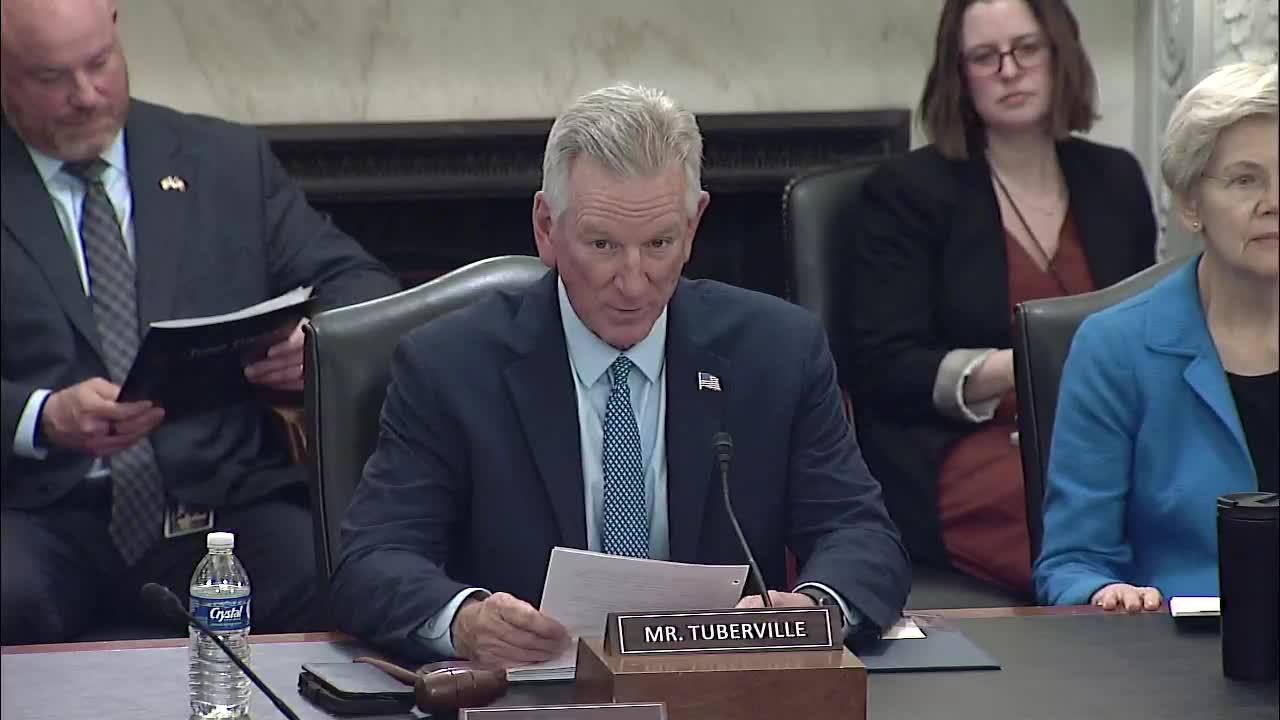
“People are our most valuable asset,” Sen. Tommy Tuberville, chairman of the subcommittee, said as he opened the hearing, framing the session around recruitment and readiness. “Those who volunteer to serve in and out of uniform are the backbone of our national defense.”

The hearing focused on the services’ efforts to meet personnel goals ahead of the National Defense Authorization Act cycle for fiscal 2026 and on steps taken to improve recruiting pipelines and retention incentives. Lieutenant General Brian Eifler, Deputy Chief of Staff for Personnel, U.S. Army, said the Army exceeded its fiscal 2024 recruiting goal with more than 55,000 new soldiers and is targeting 61,000 in the current fiscal year. “Recruiting will remain a priority,” Eifler said. He described ongoing changes to retention processes, centralized promotion boards and personnel systems intended to preserve quality while increasing numbers.

Vice Admiral Richard Cheeseman Jr., Chief of Naval Personnel, said the Navy had a “historic” recruiting year in 2024 and had exceeded contracting goals by using data-driven processes, increasing recruiter numbers and streamlining medical waiver reviews. He said the Navy is on pace to exceed its fiscal 2025 recruiting goal of 40,600 and forecast that many recruits contracted in 2024 will reach ships in 2025 and close persistent manning gaps by the end of 2026.

Marine Corps and Space Force leaders reported strong results as well. Lieutenant General Michael Borgschulte, Deputy Commandant for Manpower and Reserve Affairs, told the committee the Marines met recruiting goals without lowering standards and reported record retention. Catherine Kelly, Deputy Chief of Space Operations for Human Capital, said the Space Force exceeded its fiscal 2024 enlisted recruiting goal and reported a 96% retention rate across officer and enlisted cohorts.

Witnesses warned setbacks remain. Several witnesses told senators that continuing resolutions and uncertain budgets limit flexibility to deliver bonuses, special pays and other incentives that affect retention. Vice Admiral Cheeseman said the manpower account is sensitive to year-start continuing resolutions and that paying obligated bonuses in a prolonged CR could be “problematic.”

Senators pressed service leaders about the consequences of proposed civilian workforce cuts and how those reductions could shift work to uniformed personnel or contractors. “DOD civilians are not just critical to supporting the military. They’re also a bargain for taxpayers,” Sen. Elizabeth Warren said, arguing abrupt cuts could harm readiness and morale. Service leaders responded that they view many civilian roles as essential to mission continuity and said they have not shut down child development centers or, in their accounts, reduced staffing in ways that have stopped service operations.

The witnesses also described targeted steps to improve recruiter quality: the Army said it is professionalizing its recruiting force and using new training and a “future soldier prep course”; the Navy said it raised recruiting command leadership and expanded data analytics; and the Air Force said it increased recruiter manning and removed internal barriers such as restrictive tattoo and licensing rules. All services said they have focused incentives and authorities, including bonuses and special pays, on critical skill sets such as pilots, cyber and intelligence specialties.

Senators and witnesses repeatedly emphasized that quality and lethality remain policy drivers. “We will keep the Army on a sustainable strategic path,” Eifler said. Marine Corps leaders stressed that the service retains high physical and professional standards as part of force identity.

The subcommittee signaled continued oversight. Senators asked for follow-up materials on recruiting reforms, bonus accounts and the impact of any civilian reductions, and they said legislative language in the coming NDAA could be used to require updates or specific actions.

The session closed with the chairman thanking witnesses for their service and reiterating Congress’s role in resourcing personnel priorities.

Ending — The committee requested follow-up on recruiting and retention metrics, bonus-account risks under a continuing resolution, and staffing impacts from any civilian workforce reductions; no formal votes or policy decisions were taken at the hearing.