Get Full Government Meeting Transcripts, Videos, & Alerts Forever!
Get email alerts on the Public Safety Operations topic
No spam. Unsubscribe anytime.
Committee reviews police, fire and EMS 2024 annual data and operational trends
Summary
Committee members received an overview of 2024 police, fire and EMS activity: arrests and some criminal charges declined, firearm recoveries rose, overtime hours fell and EMS billing and revenue figures increased compared with prior years.
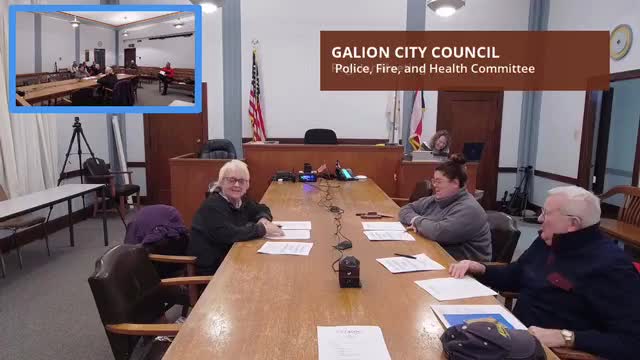
At the Jan. 16, 2025 Police, Fire & Dock Committee meeting, staff presented their 2024 annual report covering police, fire and emergency medical services operations, billing and response-time trends.
A presenter reported that physical arrests declined from 356 in 2023 to 306 in 2024. The department reported roughly 938 criminal charges in 2024 compared with about 931 in 2023. The presenter said citations (including traffic, parking and criminal citations) increased by roughly the mid‑teens percentage year over year. Juvenile incidents were reported as substantially lower in 2024 than in the prior year.
Staff said dispatch calls were roughly steady year to year and noted that traffic accidents increased in 2024, which the presenter attributed in part to weather. Firearm recoveries were reported to have risen from 14 incidents in 2023 to 29 in 2024, a roughly 200% increase in the number of firearm‑related recoveries recorded in the presentation.
Overtime hours for 2024 were reported as about 50% lower than 2023; staff attributed part of prior overtime to special response team (SRT) activations, which increased substantially in 2024. The presenter said mandatory training hours for county personnel rose from 48 to 96 hours and that each SRT member has an additional 24 hours of required training; the department said it has five SRT members.
Staff described SRT participation in a high‑profile security detail during a political rally that provided security for visiting dignitaries; presenters said the department also used a drone program during 2024 for searches and that the department has five licensed drone operators and one certified drone instructor who teaches at NC State.
On billing and revenue, the presenter said the department billed about $1 million for EMS services and collected roughly $490,000; total department revenue for 2024 was reported at $746,000. Staff attributed improved collections to rate changes and to internal auditing and billing process improvements.
Response-time metrics were included in the packet: dispatch‑to‑en‑route, en‑route‑to‑on‑scene and related intervals were presented as within target ranges for many call types. The packet also showed simultaneous-call statistics: for fire responses there were 17 double calls and three triple calls in the period shown; for EMS the presenter reported 55 simultaneous double calls and four instances of three concurrent EMS calls.
Committee members asked procedural questions about certification for drone operators and about equipment retention if larger systems are later acquired. Presenters said drone operators hold the FAA Part 107 credential and that older equipment would likely be traded in if the department secures upgraded systems in future procurement.
The packet and fuller annual report were left with committee members for review; staff said a fuller annual report would be available next month.