Get Full Government Meeting Transcripts, Videos, & Alerts Forever!
Get email alerts on the Executive Session Litigation topic
No spam. Unsubscribe anytime.
Holyoke City Council votes to enter executive session to discuss multiple active litigations and release of minutes
Summary
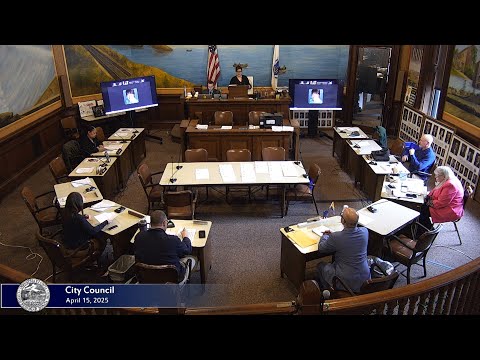
The Holyoke City Council voted to go into executive session on April 15 to discuss multiple active litigations, consider release of past executive-session minutes and to review a proposed transfer of $108,695.56 related to potential cannabis litigation.
The Holyoke City Council voted to go into executive session on April 15 to discuss multiple active litigations, consider release of past executive-session minutes and to review a proposed transfer of $108,695.56 related to potential cannabis litigation.
The move to close the meeting followed the reading of the executive-session purposes by the Council President (name not specified), who said the matters “if discussed in an open meeting may have a detrimental effect on the bargaining or litigation position of the City of Holyoke.” The council then paused briefly to allow a Holyoke Media technician to prepare the online stream before taking a roll-call vote.
Why it matters: Executive sessions limit public access to permit candid discussion of litigation strategy and personnel matters. The items the council listed include federal lawsuits against the city and Holyoke Public Schools, a Commonwealth Commission Against Discrimination (MCAD) harassment claim involving a police officer, potential cannabis-related litigation, and a petition concerning the Planning Board. The council also listed several dates for which it would consider full or partial release of prior executive-session minutes.
Council leaders read the agenda items into the record before the vote. The items named in open session included: the matter captioned Holyoke 4 20 versus the City of Holyoke and potential related cannabis litigation; an MCAD harassment claim against a police officer; multiple federal court matters captioned as Jane Doe number 1 (and Jane Doe numbers 1–4 in a separate listing) versus the City of Holyoke, Holyoke Public Schools and several individual defendants; Salmar versus the Holyoke Planning Board; and the possible release (full or partial) of executive-session minutes from November 1, December 5 (year transcribed ambiguously), January 22, June 11, September 4, November 19 and December 9 (years as read into the record).
A council member read item 2 into the record before the vote, describing it as a Committee on Finance referral “in order that there be a transfer of dollars 108,695.56 as follows: cannabis stabilization, to solicitor claims and damages,” and noting the chair’s declaration that the matter involves potential cannabis litigation. The reading did not include additional detail on the proposed transfer’s source or intended immediate use beyond the line-item labels read aloud.
Under discussion, a councilor noted that item 2 remained in committee but said it could nonetheless be taken up in executive session; the chair responded that the body could proceed as it wished. After brief additional confirmations, the council conducted a roll-call vote to enter executive session. The transcript records an affirmative roll-call from the councilors present; no negative votes or abstentions were recorded in the public roll call.
The council paused for a few minutes to allow Holyoke Media to complete technical preparations before proceeding into closed session. The roll-call record, as read aloud, shows the following responses in favor of entering executive session: Anderson Burgos; Bartley; Devine; Givner; Jourdain; McGrath Smith; Rife Rambletti; Ocasio; Israel Rivera; Jenny Rivera; Sullivan; and Bacon. The meeting record also indicates a vacant seat and that a councilor identified as Bridal was not present.
No substantive discussions of the merits of any case, settlement amounts, personnel findings, or legal strategy were made on the public record; the items were read only to establish the purposes for the executive session and to authorize closing the meeting.
The council’s action was procedural: it voted to close the meeting and take up the listed litigation matters and minute-release requests in executive session. The public record does not include outcomes of those closed-session discussions or any formal decisions taken there; those, if released, would appear in later minutes or statements if the council votes to release them.
Votes at a glance: The council conducted a roll-call vote to enter executive session; all councilors present voted yes. No recorded nay or abstention appears in the public roll call. A seat was recorded as vacant and one councilor (Bridal) was absent.