Get Full Government Meeting Transcripts, Videos, & Alerts Forever!
Get email alerts on the Childcare Tax Credit Monthly Waiver topic
No spam. Unsubscribe anytime.
Oregon senator asks committee to seek USDA waiver so childcare tax credit can be paid monthly
Summary
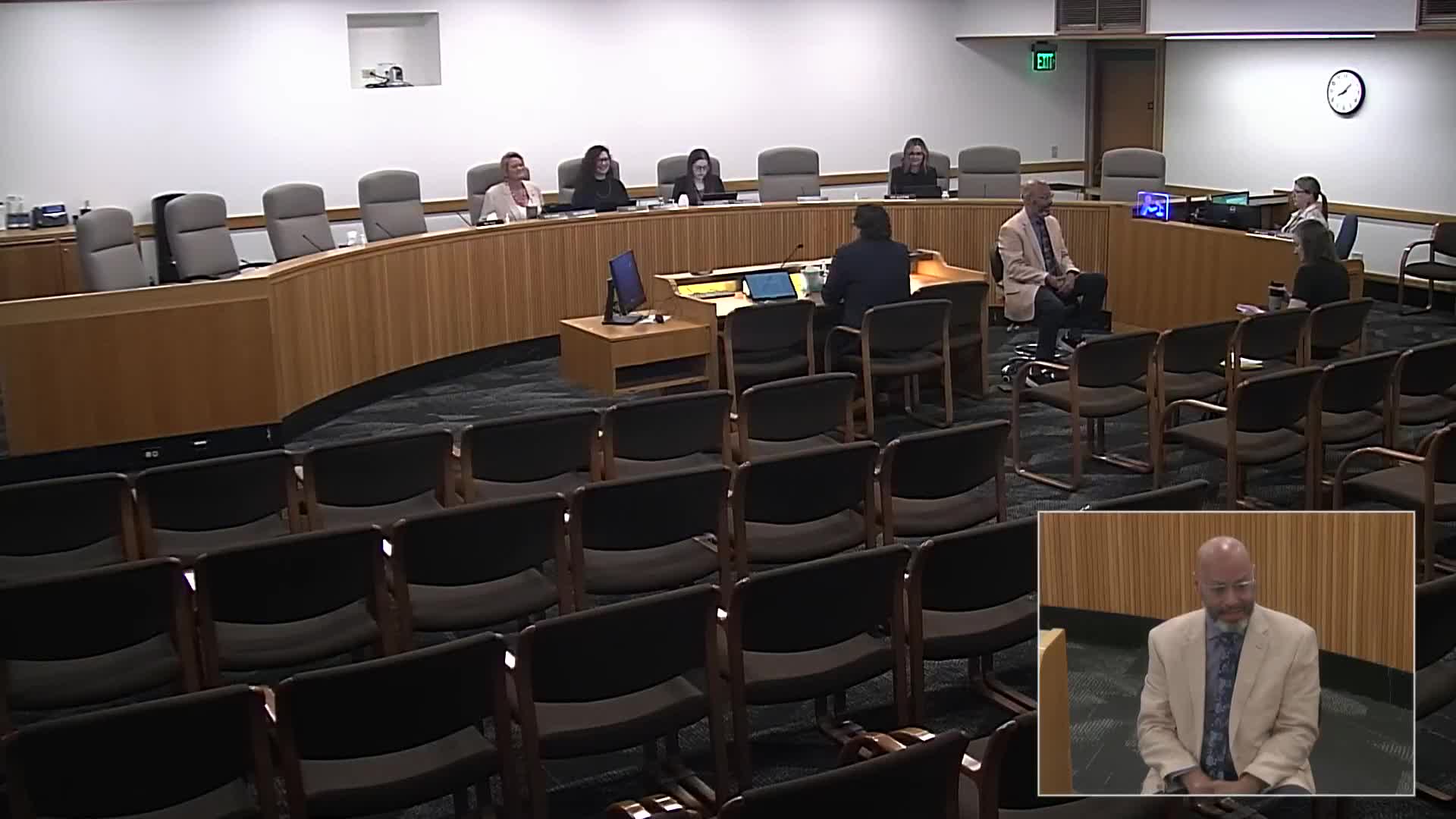
Senator Cedric Hayden, a state senator from Senate District 6, told the House Committee on Early Childhood and Human Services on April 15 that Senate Bill 64 would direct the Oregon Department of Human Services to ask the U.S. Department of Agriculture for a waiver allowing childcare tax credits to be paid monthly rather than as an annual lump sum.
Senator Cedric Hayden, a state senator from Senate District 6, told the House Committee on Early Childhood and Human Services on April 15 that Senate Bill 64 would direct the Oregon Department of Human Services to request a U.S. Department of Agriculture waiver so childcare tax credits could be paid monthly instead of in an annual lump sum.
Supporters said the change would not increase the total amount of money families receive, only the timing, and would help parents afford childcare as needs arise. "If we were able to, through a waiver, through the USDA, allow people to get their childcare tax credits to them monthly, they could afford to pay childcare," Hayden said during the public hearing.
The bill responds to how the present childcare tax credit is distributed: most eligible households receive the credit as a refund when filing taxes each April. Hayden said federal rules treat lump-sum tax refunds differently from monthly payments for the purposes of other benefits such as SNAP, and the bill asks federal authorities to waive that distinction so monthly payments would not reduce eligibility for other programs.
Hayden told the committee this is the third session in which the concept has advanced. He said the Legislature passed similar language in a prior session and that the Oregon Department of Human Services previously prepared a letter but did not submit a waiver request to USDA until later administrations. "This is the third time that I brought this concept," Hayden said. "During the COVID era, the federal government approved this. So we're asking them to do something that they already approved during COVID." He added testimony showing data that child poverty dropped about 50% when similar funds were delivered monthly during the pandemic.
Committee members asked technical questions about administration and error control. Representative McIntyre asked whether USDA had issued the waiver to other states (Hayden said it had been used nationally during COVID) and whether monthly payments could lead to overpayment or repayment obligations. Hayden described how the Department of Revenue could phase payments and hold a reserve—he said some jurisdictions previously distributed part of the credit monthly while reserving a portion to guard against overpayment.
On the SNAP interaction, Hayden said funds would continue to flow through existing childcare payment systems and would not be issued on SNAP cards. The concern is that without a USDA waiver, monthly distribution could be counted as income in benefit calculations; the waiver would preserve the prior treatment that prevented counting the refund as income for benefit eligibility.
Chair Hartman opened and closed the public hearing on the bill during the committee meeting; no committee vote or final action on Senate Bill 64 was recorded in the transcript. The committee recessed after the hearing and scheduled continued business later in the session.
The committee record shows the bill's next steps depend on the department preparing and submitting the waiver request to USDA and on subsequent federal approval. Hayden and other witnesses framed the change as a timing and delivery mechanism rather than new spending: "It's not additional money. It's money that they're gonna get anyway," Hayden said.