Get Full Government Meeting Transcripts, Videos, & Alerts Forever!
Get email alerts on the Civil Rights Policy topic
No spam. Unsubscribe anytime.
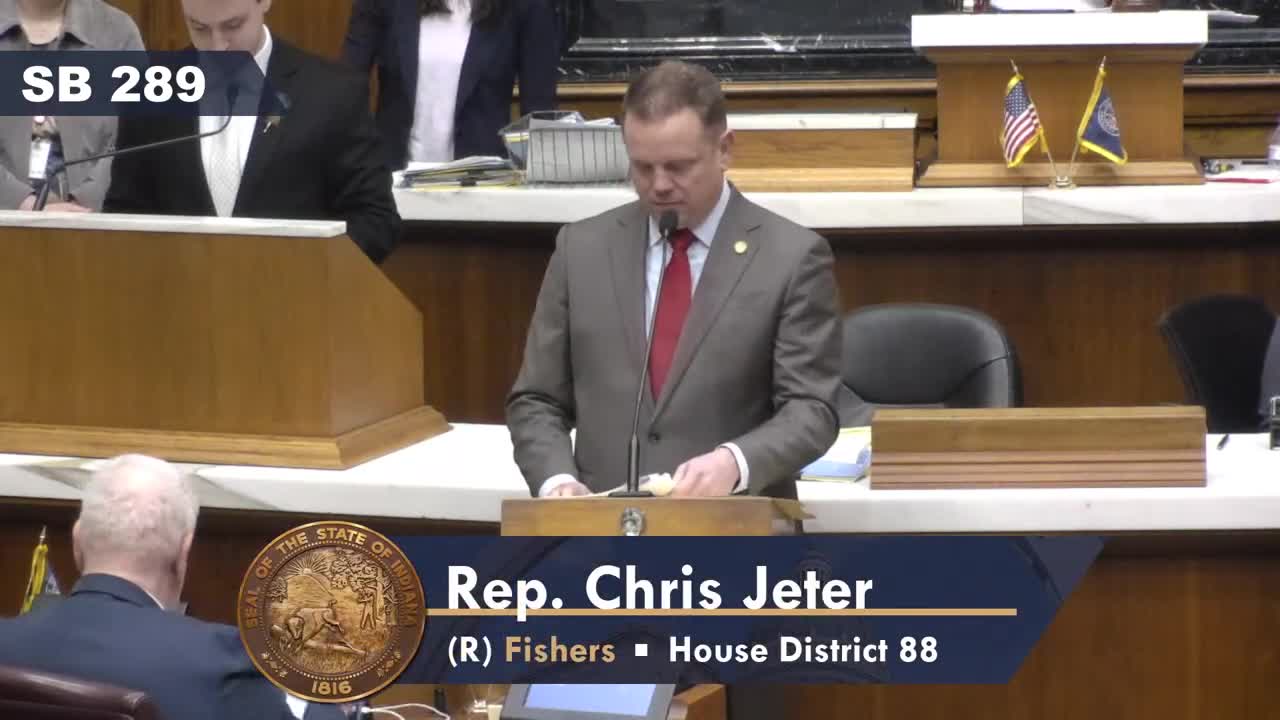
House passes bill restricting government actions based on personal characteristics; veterans provisions prompt concern
Summary
The House approved Senate Bill 289, which prohibits public education, state employment and licensing decisions based on listed 'personal characteristics.' Critics said the measure could unintentionally bar long‑standing veteran benefits and conflict with federal desegregation orders; proponents said it enforces equal treatment.
Representative Jeter, sponsor of Senate Bill 289, said the measure targets actions—hiring, admissions, licensing—that are taken because of a person's listed personal characteristic. "This bill instead focuses on actions and behaviors. It simply prohibits any public education, employment, or licensing action that's based upon a person's personal characteristic," he said, framing the measure as aligning state policy with federal law after the 2023 Supreme Court decision in Students for Fair Admissions v. Harvard.
Opponents warned the language would unintentionally affect programs designed to assist veterans and school districts under federal desegregation consent decrees. Representative Gore observed that benefits such as Purple Heart tuition rules are conferred because of veteran status and suggested the draft contained a "fatal flaw" for veterans' benefits. Representative Dvorak raised concern that court‑ordered desegregation plans (busing/attendance balancing) could be put into conflict with the bill's prohibition on actions taken on the basis of race; he noted that a federal supremacy argument might prevail but warned of litigation risk for affected districts.
Speakers also debated enforcement: the bill creates a civil cause of action and liquidated damages—$50,000 for a first violation and higher sums for repeat violations—leading critics to warn of a flood of claims and large penalties against state agencies and educational institutions. Representative Pierce called the measure a reversal of civil‑rights progress and said the bill's practical effect would be to "shrink the pool" and chill efforts to diversify workplaces and campuses.
Supporters said the bill does not seek to roll back curriculum, deny historical context, or close offices; instead, they argued it would prevent programs that operate by personal trait preferences. Representative Jeter said the bill targets actions rather than the study of history or curricula.
The House passed the bill on a recorded vote; floor tallies in the transcript show the measure passed 66‑27. The sponsor asked for support after extended debate and some floor amendments and clarifications.
Ending note: Sponsors argued the bill enforces neutral decision‑making by government; opponents said the plain text will create conflicts with veteran benefits and federal orders and produce costly litigation.