Get Full Government Meeting Transcripts, Videos, & Alerts Forever!
Get email alerts on the Legislative topic
No spam. Unsubscribe anytime.
House passes bill letting Texas public universities sign direct NIL contracts with prospective athletes
Summary
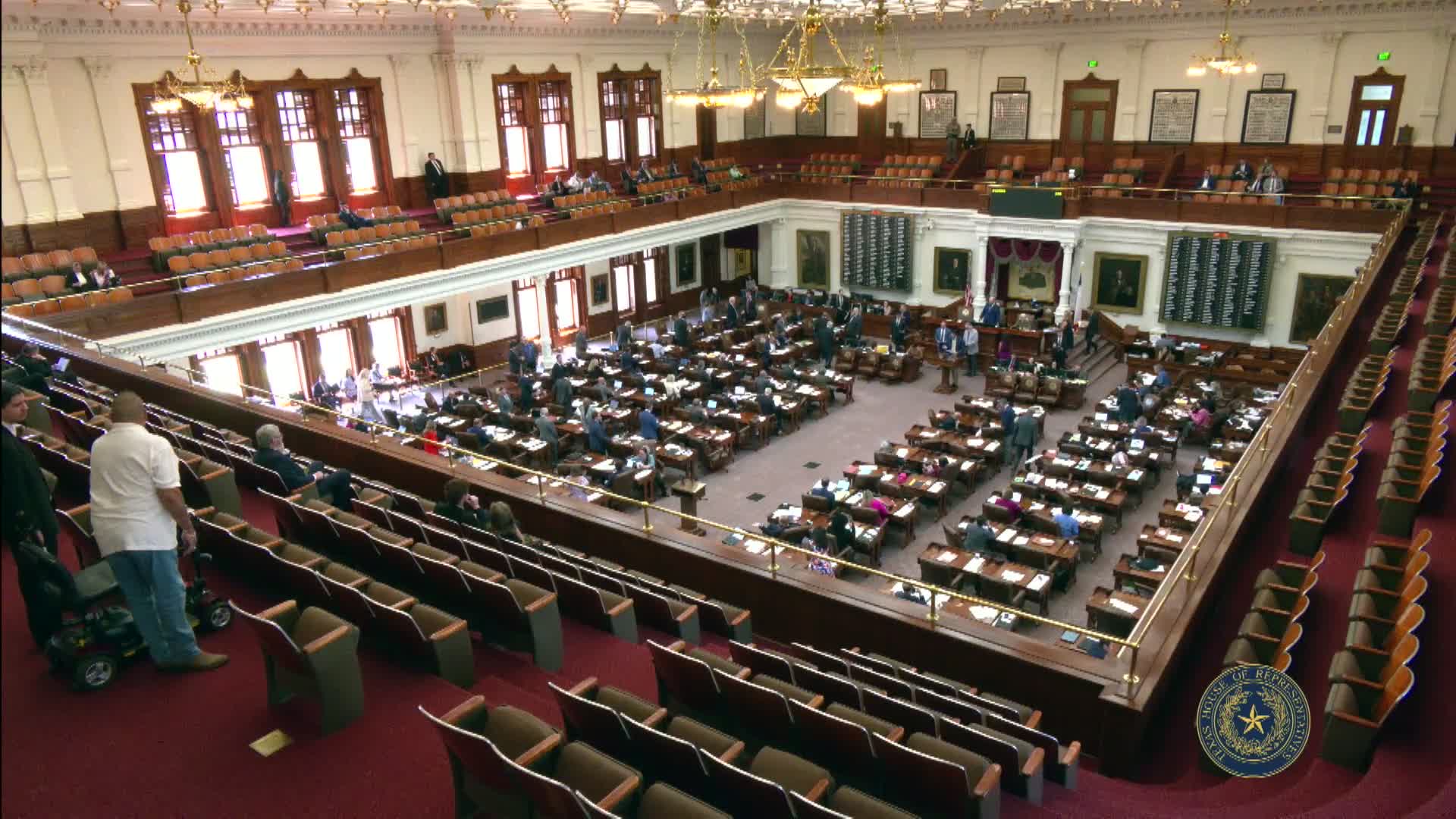
The Texas House on April 14 passed House Bill 126, a measure sponsored by Representative Will Tepper that authorizes public universities and their agents to enter into direct name, image and likeness (NIL) agreements with prospective and enrolled student-athletes and to offer compensation and admission-related inducements in some cases.
The Texas House on April 14 passed House Bill 126, a measure sponsored by Representative Will Tepper that authorizes public universities and their agents to enter into direct name, image and likeness (NIL) agreements with prospective and enrolled student-athletes and to offer compensation and admission-related inducements in some cases. The bill passed to engrossment on a recorded vote, with 109 ayes and 35 nays.
Supporters said HB 126 updates state law in response to an imminent change in NCAA rules and provides a legal framework for Texas institutions to compete for recruits. Representative Will Tepper, the bill's author, told colleagues the measure "updates our state's name, image, and likeness law to keep our university athletic programs competitive" and said it "does not authorize the use of public funds for NIL payments" and preserves financial-literacy course requirements for athletes.
The debate turned on how far the state should let universities go in compensating athletes. Representative Gervin Hawkins, speaking against the bill, said Texas should proceed but "do it the responsible way," urging protections such as holding earnings in a trust until a player graduates or reaches a specified age. She warned young athletes who receive large sums may not manage the money and urged safeguards.
Representative Will Tepper and others described limits in the bill. Tepper said the bill does not change academic eligibility requirements and does not allow student-athletes to be paid before they enroll; he said prospective athletes may enter agreements but must be enrolled to receive payment. Tepper also said athletic departments are "independent" and that the bill does not involve state general revenue.
Opponents raised legal and practical concerns. Representative Mike Little warned the change "deconstructs" amateurism and could leave smaller schools at a permanent competitive disadvantage. Representative Briscoe Jones, a former scholarship athlete, questioned conflicts between NIL contracts and scholarship obligations and the unequal bargaining power of athletes without experienced counsel. Several members asked whether direct university payments could expose institutions to employment law claims; Representative Tepper said such consequences would be resolved outside this bill.
Representative Anchia, speaking in favor, said the bill prepares Texas for an anticipated NCAA change and argued that student-athletes should be able to "monetize" their talents through a transparent system. He said the legislation aligns state statute with expected NCAA actions and urged passage so Texas would not be "left behind."
Members proposed safeguards during debate. Representative Gervin Hawkins urged a trust or delayed access to funds; Tepper declined to accept amendments on sovereign-immunity waivers or to micromanage trust requirements during the floor debate. Representatives asked about caps and funding sources; Tepper referenced a cap on athletic program spending he described as $20,500,000 a year during debate and later mentioned a different cap figure in response to questions.
The final, recorded vote was read in the chamber. The clerk announced named ayes during the roll call and the tally: "There being a hundred 9 ayes and 35 nays, House Bill 126 is passed to engrossment." The bill will next proceed through the legislature per the normal engrossment and enrollment process.
The House discussion centered on reconciling recruitment and competitive pressures with protections for student-athletes and the legal status of those athletes relative to their institutions. Members on both sides said the issue was driven by external developments in NCAA policy and litigation rather than originating in Austin.