Get Full Government Meeting Transcripts, Videos, & Alerts Forever!
Get email alerts on the Affordable Housing topic
No spam. Unsubscribe anytime.
Planning board asks consultants to draft zoning and program options to expand affordable and attainable housing
Summary
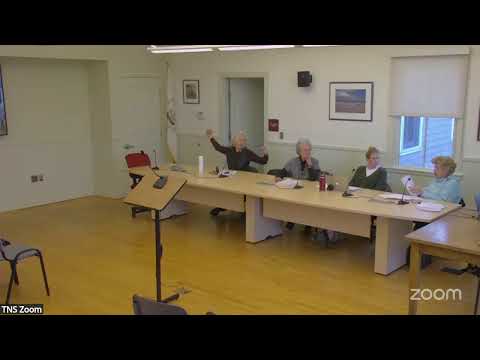
NEW SHOREHAM — The New Shoreham Planning Board met April 9 with members of the Black Island Housing Initiative to review potential zoning changes and program ideas compiled by consultant Weston & Sampson and to identify which items the board wants the consultant to research and to draft as ordinance language.
NEW SHOREHAM — The New Shoreham Planning Board met April 9 with members of the Black Island Housing Initiative to review potential zoning changes and program ideas compiled by consultant Weston & Sampson and to identify which items the board wants the consultant to research and to draft as ordinance language.
Board members and housing-board participants told the planning board they wanted consultant follow-up on a limited set of items rather than a broad rewrite. The items the board asked Weston & Sampson to pursue further include mechanisms to allow subdivision of existing lots tied to deed‑restricted year‑round housing; review of whether accessory dwelling units (ADUs) can be condo‑style sales to expand financing options for attainable ownership; a community land‑trust or similar stewarding entity to lower land costs for affordable ownership; a funded ADU support program offering pre‑approved designs and technical assistance; and continued exploration of tax incentives to encourage year‑round rentals.
Members debated the relative priority of easing density rules and moving multifamily development in commercial zones from a special‑use permit to a permitted use. Several planning board members said the town has already loosened zoning to allow more density and that by‑right multifamily might not be a high priority; others said permitting multifamily as a by‑right use in some commercial zones (with a development plan review for design oversight) is worth studying.
The board directed consultants to prepare draft ordinance text and implementation options for the items it marked "yes" for further work and to return with cost estimates, legal constraints and model language. Planning staff and board members emphasized they want draft language rather than just policy recommendations so the town can test whether the proposed changes would meet state affordable‑housing requirements.
Participants raised legal and programmatic limits. Planning staff said condoization (creating separate ownership units from ADUs) may fall outside typical municipal control and that the town would need careful legal review before authorizing condo sales of deed‑restricted ADUs. Several members recommended the consultant present a draft legal approach so town counsel and the planning board can vet enforceability and whether units would count toward the state’s affordable‑housing inventory.
The board also approved holding targeted follow‑up discussions: staff will organize a workshop and explore forming a working group of planning‑board and housing‑board members and other stakeholders to review consultant drafts before the board acts formally.
Next steps: Weston & Sampson will be asked to provide draft ordinance language, examples from other communities, pro formas showing likely costs and financing options, and a recommended implementation timeline. The board expects to revisit the draft in a workshop and then schedule formal hearings if it chooses to pursue ordinance changes.