Get Full Government Meeting Transcripts, Videos, & Alerts Forever!
Get email alerts on the Section 702 topic
No spam. Unsubscribe anytime.
Senate Intelligence Panel Presses Nominees on Section 702: Oversight, Inadvertent Collection and Reauthorization
Summary
Senators pressed the NSA and NCSC nominees for clear explanations of how Section 702 collection protects U.S. persons and what oversight and reporting mechanisms exist. Nominees pledged further written briefings and cooperation with classified follow‑ups.
Senators on the Senate Select Committee on Intelligence used the confirmation hearing for the nominees to the National Security Agency and the National Counterintelligence and Security Center to press detailed questions about Section 702 of the Foreign Intelligence Surveillance Act, the authority used to collect certain communications of foreign targets that traverse U.S. systems.
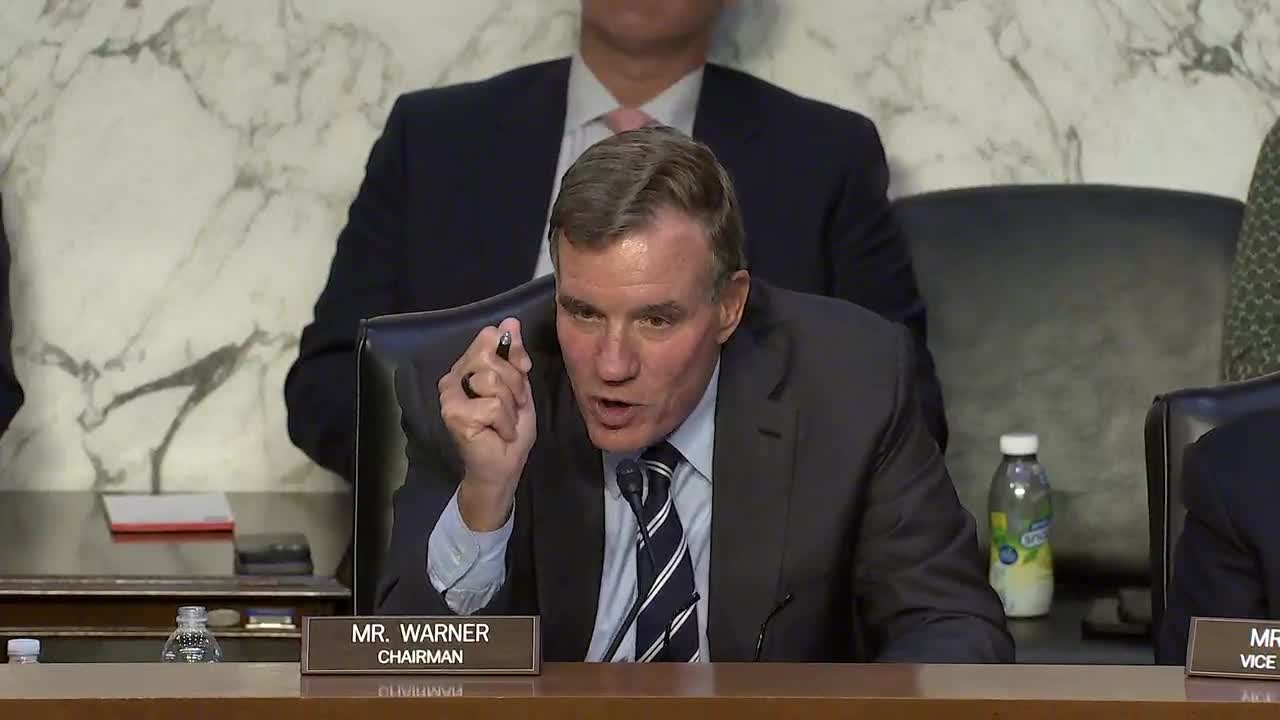
Chairman Mark Warner and others emphasized the need to document reforms since the law's last reauthorization and to explain safeguards for U.S. persons. General Haack called Section 702 "a critical authority" for foreign‑target collection and said he had seen "a culture of compliance" at NSA that protects civil liberties and ensures lawful use. Senators requested that Haack provide a written assessment within a week on whether standards similar to those applied under Executive Order 12333 (for U.S. person queries) could be applied to communications collected under Section 702.
Senators pressed for greater clarity about oversight mechanisms that detect inadvertent collection and about reporting to Congress and the courts when errors occur. General Haack described existing reporting described in transparency products coordinated with the Office of the Director of National Intelligence and told the committee he would provide more detailed written responses if confirmed. Several members emphasized they want classified briefings to see specific procedural details before voting on reauthorization.
Why it matters: Section 702 is widely used across the intelligence community for foreign‑target collection and features prominently in intelligence products for senior leaders. Its reauthorization and the reforms that accompany it determine both collection authorities and the legal protections for Americans whose communications might be incidentally collected.
What was not decided: No new legal standard or change to Section 702 was adopted at the hearing. The committee asked for written follow‑ups and classified briefings; senators indicated those materials would be considered in advance of any committee vote on reauthorization or related oversight matters.