Get Full Government Meeting Transcripts, Videos, & Alerts Forever!
Get email alerts on the Foia Hearings Interventions topic
No spam. Unsubscribe anytime.
Orientation emphasizes FOIA limits, hearing rules, site‑visit cautions and 22a‑19 intervener process
Summary
Counsel advised commissioners on Connecticut FOIA obligations, public‑hearing procedures, site‑visit restrictions, ex parte communications and the statutory intervenor process under Conn. Gen. Stat. §22a‑19.
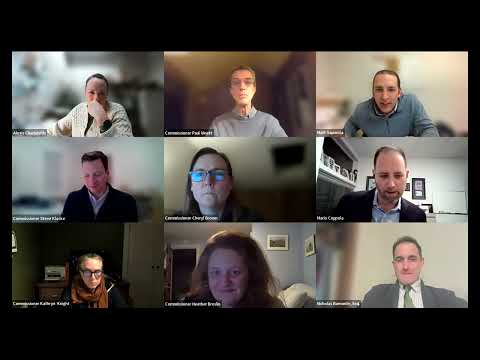
Attorney trainers advised the Norwalk City Inland Wetlands and Conservation Commission on public‑meeting and public‑record rules, and warned commissioners that routine communications can create an unlawful quorum meeting under Connecticut’s Freedom of Information Act.
Matt Cepienza told the commission: “your communications are now subject to FOIA,” and explained that FOIA requires public agencies to make records available and to keep meetings open. He cautioned that “a back and forth communication amongst a quorum of this board” can constitute a meeting under FOIA and said commissioners should avoid substantive email exchanges, group chats, or social‑media discussions that could be read as deliberation.
Why it matters: accidental private deliberation can expose the commission to FOIA claims that delay or invalidate proceedings. Counsel said routine scheduling emails from staff are acceptable, but substantive replies among a majority of members are not.
The orientation summarized common hearing procedures: staff classifies applications as administrative, intermediate or significant; significant matters require a public hearing and intermediate matters may, depending on staff and public interest. Counsel recommended getting technical information into the record while the hearing is open and warned against allowing new substantive information after a hearing closes: “once you close a public hearing, you should not be taking any more emails or, information from the applicant or opposition.”
On site visits, counsel said a visit that includes a quorum is itself a public meeting that must be noticed and open to the public; drive‑bys by individual commissioners are acceptable but commissioners must avoid substantive discussion with applicants or neighbors during visits. Counsel also reviewed ex parte communications and urged commissioners to avoid off‑record conversations that could create claims of bias or predetermination.
Nick Bamonte reviewed Conn. Gen. Stat. §22a‑19, the statute allowing members of the public to seek intervener status on applications that they argue may pollute the environment. He said an intervener granted status is treated like a party for receipt of records and participation, and the commission should acknowledge and send records to interveners when they are granted status.
Ending: Counsel offered further written guidance on FOIA, hearing practice and the intervention statute, and asked staff to circulate the orientation material for later reference.