Get Full Government Meeting Transcripts, Videos, & Alerts Forever!
Get email alerts on the County Budget topic
No spam. Unsubscribe anytime.
York County managers present budget tied to LD 1 calculation as jail costs and union pay push increases
Summary
York County staff reviewed a draft fiscal 2026 budget that uses the LD 1 valuation method, flags large jail-related cost increases and wage/benefit increases tied to recently negotiated or proposed union agreements.
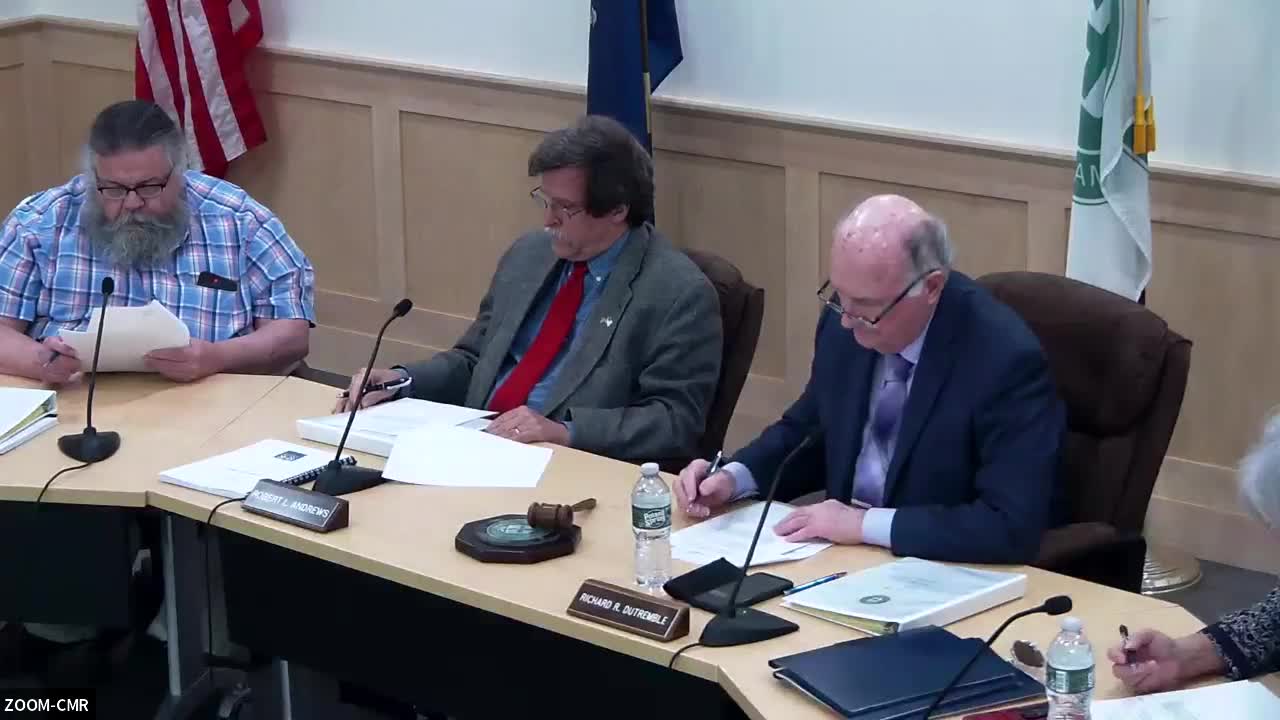
York County commissioners were briefed Wednesday on a draft fiscal 2026 budget that uses the LD 1 valuation method to compute the allowable property tax increase, while officials flagged large cost drivers in the county jail and across employee pay and benefits.
County Manager Greg (staff member) told the board the LD 1 calculation, which the county must file, shows the theoretical allowable increase is as high as 20 percent but that the draft budget being presented is below that ceiling. He said the county used state valuation data and a personal growth factor to compute the allowable increase under LD 1.
The nut graf: The county manager said the most significant upward pressure in next year’s budget comes from wages and benefits tied to negotiated and informal agreements with corrections and other unions and from an expanding jail operating budget. Commissioners were told the aggregate budget increase would be materially driven by pay and benefit costs rather than new programs.
Officials said a recent tentative agreement with the corrections union and proposed increases for clerical (MSCN) and police (FOP) bargaining units are included in the draft. Greg said roughly $3.2 million of the county’s projected increase is related to wages and benefits, with almost two‑thirds of that tied to the jail and corrections staffing increases.
The county reported roughly $7 billion in new valuation across the county, which changes municipal assessment shares and produces differing local tax impacts. Greg told the board that, excluding the jail increase, the county’s overall budget rise would be nearer 7 to 8 percent.
Commissioners raised other recurring cost items. Technology, licensing and communications were singled out: staff said consolidated communications and managed services contracts, added bandwidth and more county-issued smartphones have pushed telephone and network lines higher. Greg noted the county had reallocated telephone costs across departments in the last budget cycle and was still seeing higher aggregate costs this year.
Staff also told the board that electricity contracts that had held costs steady over the prior five years have expired and that facility operating costs will rise as the county brings new buildings online, including the training center expected to open in early 2026.
On benefits, the presentation noted the county’s health-related employer costs (including an HRA employer contribution) need to be budgeted explicitly going forward rather than being managed through residual year-end balances. Staff said the HRA contribution is an on-going employer obligation that the county has not fully budgeted in prior years.
Ending: Staff said they would circulate supplemental materials including the LD 1 worksheet and proposed tax bill to town managers and municipal contacts to help municipal planning. Commissioners directed staff to bring follow-up detail on union cost assumptions, telephone cost reallocations, and any items they want studied before the next budget meeting.