Get Full Government Meeting Transcripts, Videos, & Alerts Forever!
Get email alerts on the Parks Skatepark topic
No spam. Unsubscribe anytime.
Coos Bay Parks commissioners reach consensus to remove fence posts at skate-park tennis court; no formal recommendation yet
Summary
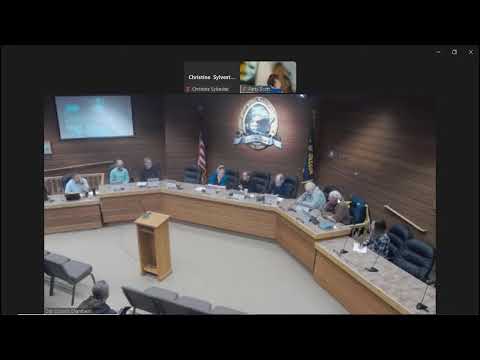
The City of Coos Bay Parks Commission on April 3 reached a consensus in its work session to remove remaining fence posts and tennis-net stanchions at the downtown skate-park tennis court area to eliminate safety hazards and to explore using the flat tennis-court surface for additional skatepark space.
The City of Coos Bay Parks Commission on April 3 reached a consensus in its work session to remove remaining fence posts and tennis-net stanchions at the downtown skate-park tennis court area to eliminate safety hazards and to explore using the flat tennis-court surface for additional skatepark space.
Commissioners said staff estimates for demolition and cleanup are minimal; staff discussed an approximate $500 cost if the city contracts the work, covering hauling and disposal, and noted additional potential small costs for leveling and deck repairs. Commissioners also reported volunteers willing to assist with cutting posts, excavating, and blacktopping holes if the city provides material.
Why it matters: Commissioners described the fenced tennis-court area as underused for tennis and frequently used by skateboarders. Removing the damaged fence posts and net stanchions would remove tripping and collision hazards and could immediately increase usable skate space without committing to a permanent change of use.
What happened at the meeting: The discussion began with staff presenting the two options the commission had considered previously: replace the fence or demolish the remaining structure. Staff summarized earlier work and the $500 demolition estimate for removing the support structure if contracted. Commissioners raised procedural questions about notice, property-owner input and whether the site has any legal designation that would limit changing its use.
Several commissioners and public speakers who helped fund and build the original skatepark described the park’s grassroots history and urged support for improved skateboard access. Commissioners and other meeting participants discussed alternatives including converting the court to one or two pickleball courts, leaving it as tennis, or fully expanding the skatepark. Commissioners asked staff to check zoning and to consult property owners and neighborhood stakeholders before forwarding a formal recommendation.
Next steps and authority: Because this was a work session, commissioners noted they cannot make an official recommendation at the meeting. The commission agreed it could draft a consensus recommendation and forward it to the city manager, who would direct next steps and, if appropriate, place an item on a City Council agenda. Staff agreed to coordinate with the planning department on zoning and notification requirements and to return information at the next Parks Commission meeting so council could consider any recommendation.
Process notes: Commissioners emphasized the desire to minimize interim closure for skateboard users and discussed timing so the area could be available by National Go Skateboarding Day (June 21). Several commissioners said they favored a near-term removal of the safety hazards while the commission and staff pursue public notice and any required council action.
Ending: Staff will prepare zoning and notification information and a recommendation path for the commission to review at its next meeting; if the commission forwards a recommendation it would move to the city manager and then potentially to City Council. The commission recorded consensus to remove the hazardous fence posts and net stanchions and to pursue community notification and planning analysis before any permanent conversion of the area.