Get Full Government Meeting Transcripts, Videos, & Alerts Forever!
Get email alerts on the Road Maintenance topic
No spam. Unsubscribe anytime.
Road and Bridge proposes streamlined tree‑removal policy to widen roads, improve drainage and reduce equipment damage
Summary
Elbert County public‑works staff recommended updating a 2016 tree policy to move notifications online, fold permit fees into road and bridge charges, and expedite removal where trees encroach on rights of way; the board agreed to place the revised policy on a future agenda.
Elbert County Road and Bridge officials on March 12 asked commissioners to update a 2016 tree‑removal policy to streamline notifications and make removal operations more efficient.
Monty Hankins, public works director, said the existing policy requires mailed notices, a $250 permit that is reimbursed after the resident moves a tree, and multiple field inspections — a process that has proved cumbersome. “We would like to also change that format to the tree policy. So we would do notifications via PIO or on the county website,” Hankins said. He asked the board to replace mailed letters with online and public‑information‑channel notices and to incorporate the administrative fees into Road and Bridge permit processing.
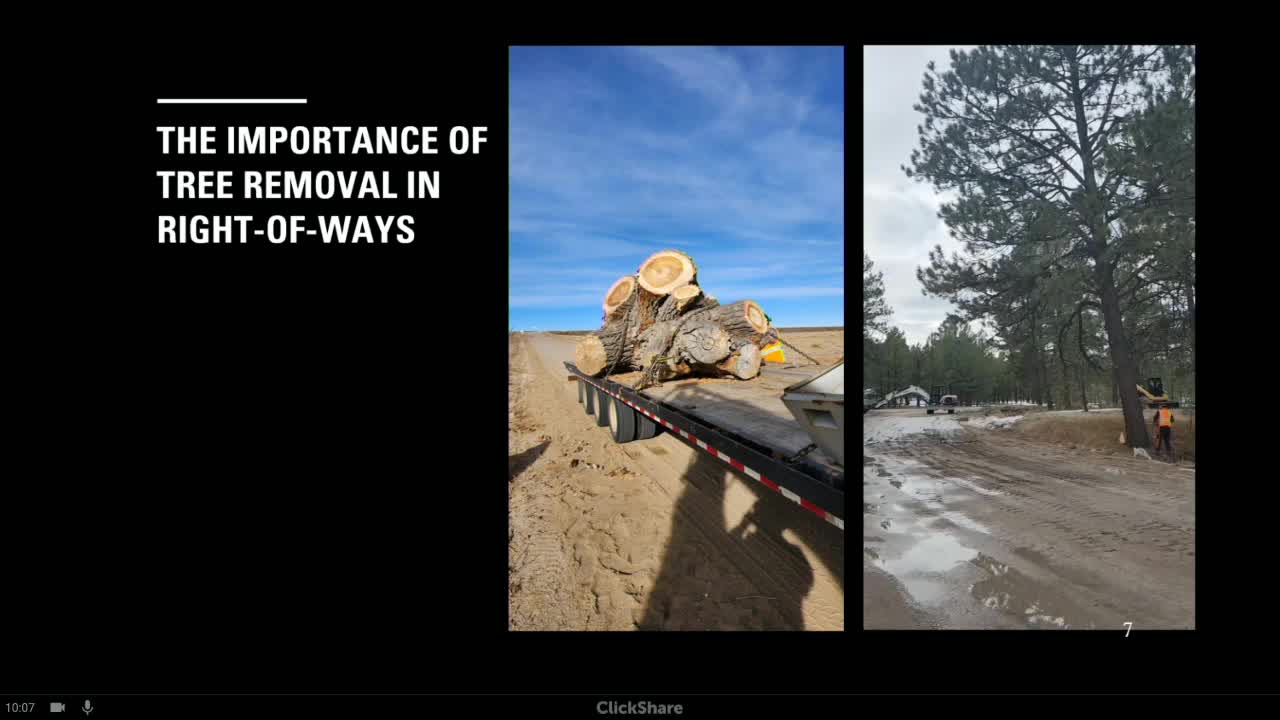
Hankins and staff showed photos of roads where branches and trees reduced plow effectiveness, increased grader damage and impaired drainage. He cited one fatal crash where a cottonwood tree near a county road was struck at approximately 74 mph, prompting its removal. Officials said the county has not had a resident request to move a tree under the 2016 approach in nine years, suggesting the process is not meeting public needs.
Commissioners discussed disposal and reuse of removed wood; a commissioner suggested coordinating with local wood‑bank volunteers. Hankins said the county sometimes leaves cut wood for residents to collect or stores piles at the road and bridge yard when feasible.
Commissioner Schroeder asked that the revised policy replace door‑mailing with broader county notification so residents without affected trees can learn of the program. Hankins said staff will draft a revision for formal approval at a future meeting. The board agreed to add the item to the next agenda for formal adoption.