Get Full Government Meeting Transcripts, Videos, & Alerts Forever!
Get email alerts on the Executive Session topic
No spam. Unsubscribe anytime.
Arapahoe County commissioners enter executive session to receive legal advice on two pending cases
Summary
The Arapahoe County Board of County Commissioners voted to enter an executive session under Colorado law to receive legal advice on summary judgment proceedings in Austin v. Sheriff and mediation in Lammert v. Wellpath.
The Arapahoe County Board of County Commissioners voted to go into an executive session under Colorado law to receive legal advice on two pending legal matters.
The motion to convene an executive session cited Colorado Revised Statutes §24-6-402(4)(b) and named two matters: a summary-judgment issue in Austin v. Sheriff and mediation in Lammert v. Wellpath. “I move that the board go into executive session pursuant to section 24 dash 6 dash 4 0 2, parent 4, parent parent b of the Colorado revised statutes to receive legal advice regarding, 1, summary judgment in Austin versus sheriff, and 2, mediation in Lammert versus Wellpath,” said the commissioner who moved the motion.
Why it matters: Executive sessions under CRS §24-6-402(4)(b) permit elected bodies to meet privately to receive legal advice on pending or reasonably imminent litigation. Because the item concerns litigation and mediation, the substance of the commissioners’ legal discussion is not in the public record.
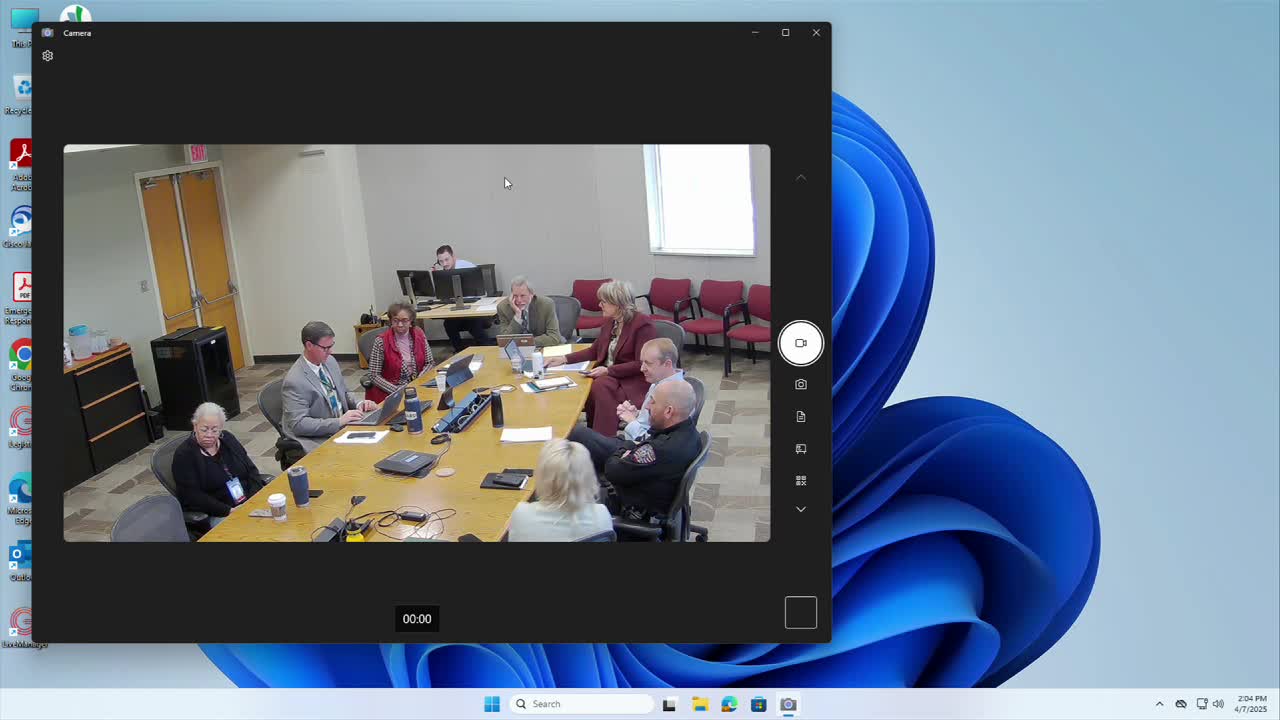
During the public portion of the meeting, a presiding official asked for a motion to convene the closed session. Commissioner Baker moved the motion; Commissioner Campbell seconded. The presiding official called for the vote: “All in favor, say aye.” The motion carried and the board went into executive session.
No additional public discussion or vote details were recorded in the transcript excerpt provided. The transcript identifies the two litigation matters named in the motion but does not include further particulars about case numbers, filing dates, counsel, or the scope of the legal advice to be received.
The board left the public record to discuss the matters in private; the transcript does not record any follow-up direction, timeline, or scheduled public report following the executive session.