Get Full Government Meeting Transcripts, Videos, & Alerts Forever!
Get email alerts on the Redevelopment Design topic
No spam. Unsubscribe anytime.
Board debates roles and communications for 705 redevelopment; authorizes vice chair to sign consultant contract if chair unavailable
Summary
The Sudbury Housing Authority debated communication protocols and decision authority for the 705 redevelopment project and authorized the vice chair to sign the development consultant contract in the chair’s absence so work can proceed without delay.
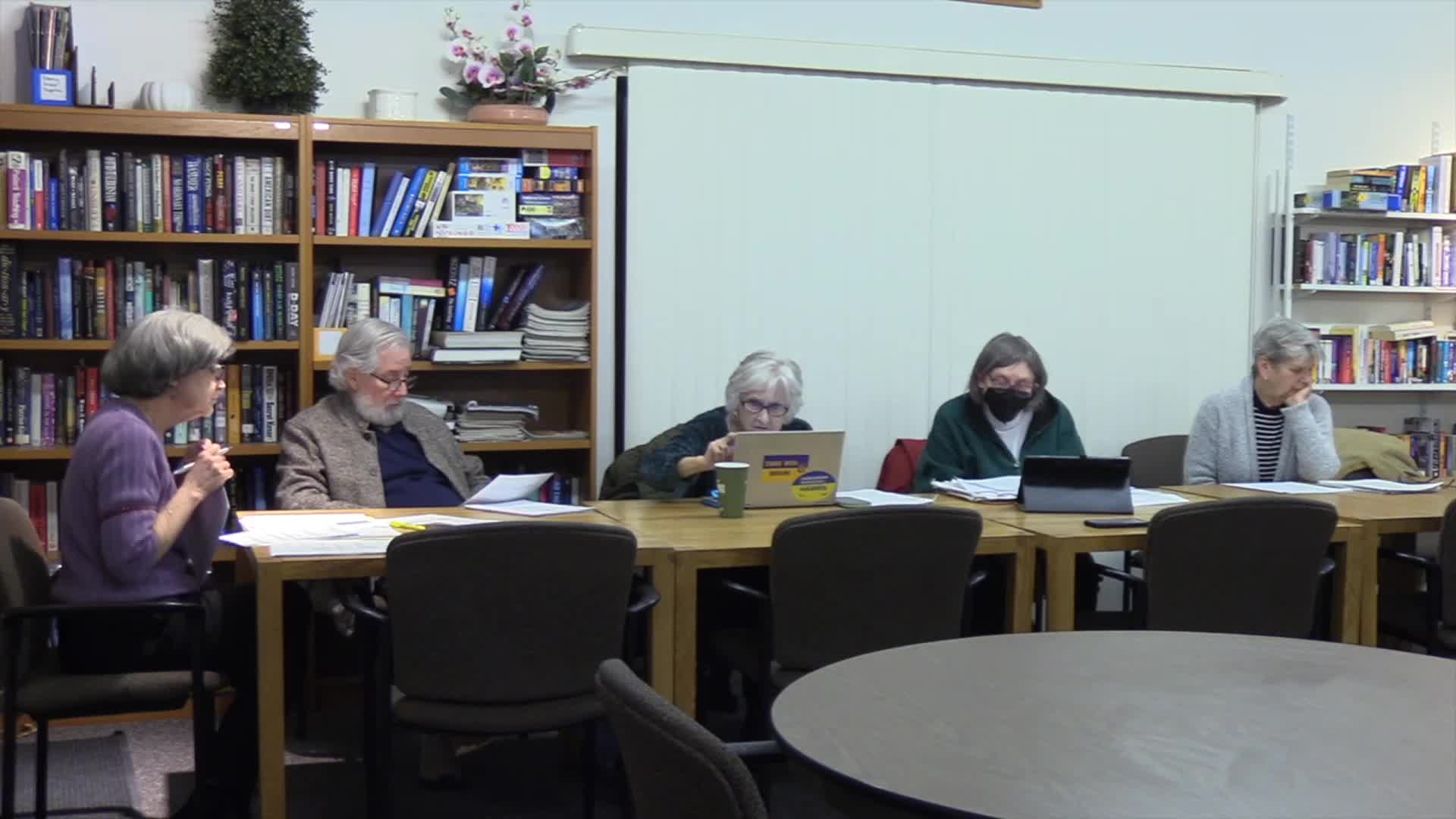
The Sudbury Housing Authority spent a substantial portion of its meeting on updates to the 705 redevelopment project, clarifying how the executive director, the board’s design subcommittee and a contracted development consultant should communicate during the design process.
Executive Director Sheila said the consultant from Cambridge (development staff) had asked the authority to clarify a protocol for day‑to‑day decisions during design work and to route questions through the executive director rather than to individual board members. “They wanted to make sure that I understood as much as I might have felt, you know, it was on you,” Sheila said, describing Cambridge’s preference that administrative and design questions be channeled through the ED and the agreed subcommittee process.
Cambridge’s representative (Margaret, described in meeting notes as the director of the development division) and the authority discussed whether the project’s design decisions would require frequent, small determinations and how the design subcommittee would review conceptual and schematic documents. Board members emphasized the need both to avoid unilateral decisions and to respond promptly when the design subcommittee must act on short notice.
Commissioner Frank Reeb and other board members said they do not oppose Cambridge’s request for clear lines of communication but also stressed that the design subcommittee must be able to respond quickly to consultant questions. “I don't think there's anything in here that says that Zed can't communicate directly with the design subcommittee,” Reeb said, describing the practical need to keep work moving while preserving committee oversight.
Board members discussed several procedural options for permitting the redevelopment, including use of the state ADU provisions and, alternatively, a comprehensive permit route (40B). The planning and permitting path will shape timing: Sheila and staff noted that site‑suitability work and permitting choices can add months to the schedule.
After discussion the board agreed on two practical next steps: (1) request the modified consultant contract that incorporates the changes discussed with Cambridge and (2) authorize the vice chair to sign the consultant contract in the chair’s absence so the project does not stall. The motion to authorize Vice Chair Sherry Klein to sign the development consultant contract on behalf of the authority if Chair Amy Wiebeck is unavailable was moved, seconded and approved.
The board also scheduled further community engagement and public information steps. Staff and the consultant will coordinate dates; the redevelopment team discussed a public forum framework and the need to bring consistent messaging to neighbors, the housing trust and the select board. The board asked that the executive director circulate any consultant contract modifications to the full board as soon as they are available so members can review the final language before signatures.
The redevelopment discussion closed with the board asking staff to maintain timely communications and to ensure the design subcommittee (three members) can be reached quickly when decisions are needed during schematic work. The board did not finalize design decisions in this meeting; it adopted a communication protocol and a signatory fallback to avoid delaying the contract execution and the start of community outreach.