Get Full Government Meeting Transcripts, Videos, & Alerts Forever!
Get email alerts on the Recycling Composting topic
No spam. Unsubscribe anytime.
Resident urges stronger recycling education; committee discusses composting expansion and resident focus
Summary
A public commenter called for more city recycling education and use of small NIPS funds for outreach; staff reported increased food‑scrap composting, plans to add a line in the operating budget and an intention to expand drop‑off convenience for residents.
A Norwalk resident who said she represents the Norwalk 0 Waste Coalition urged the Public Works Committee to prioritize education to boost recycling and reduce trash during the committee’s public comment period.
Diane Loratella said the city should fully use available free educational materials from regional organizations and her role on the state board of RecycleCT. She told the committee the recycling coordinator’s duties should include more time on creative education and recommended the city use so‑called NIPS funds for graphic design and outreach to improve the recycling rate.
“Education’s role in saving money is staring you all in the face,” Loratella said. “Utilize citizens like my group, Norwalk 0 Waste Coalition, as well as high school kids and younger kids because when they nag their parents, things change.”
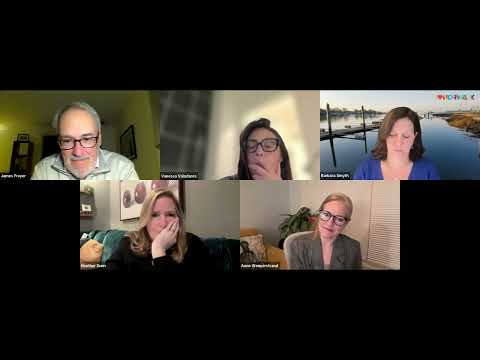
Staff responded during the solid‑waste report that the city is making steady progress on diversion and has expanded programs. Vanessa Valadares said the public works budget request includes a line to make the food‑composting pilot a regular program and that staff are considering at least two additional drop‑off locations to increase convenience. Tom Sabo, the recycling coordinator, said food‑scrap drop‑off totals exceeded 100 tons last year and the program is seeing more regular monthly use.
Committee members asked for clarity on who the city serves. Valadares said the city collection contract and city services cover residential collection (generally single‑family and buildings up to four units) and that commercial entities and larger multi‑unit properties handle their own disposal; commercial users may still use the transfer station subject to fees. The committee also discussed the new Connecticut organics law; staff said the city does not collect commercial organics and that commercial compliance is typically managed by businesses or haulers.
Ending
Staff said next steps include recruiting an intern for recycling outreach, adding budget support for the food‑composting program, and evaluating convenient, monitored drop‑off sites in other parts of the city.